HISTORY · 28 CONFERENCE
EVERYTHING FOR THE FRONT, EVERYTHING FOR VICTORY
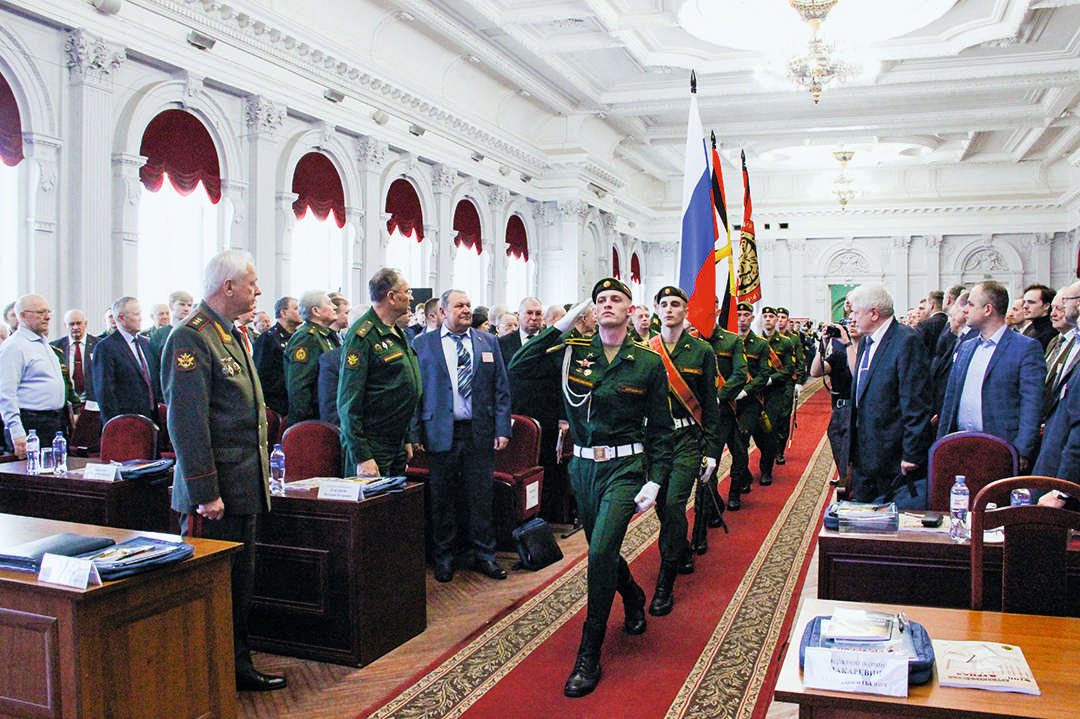
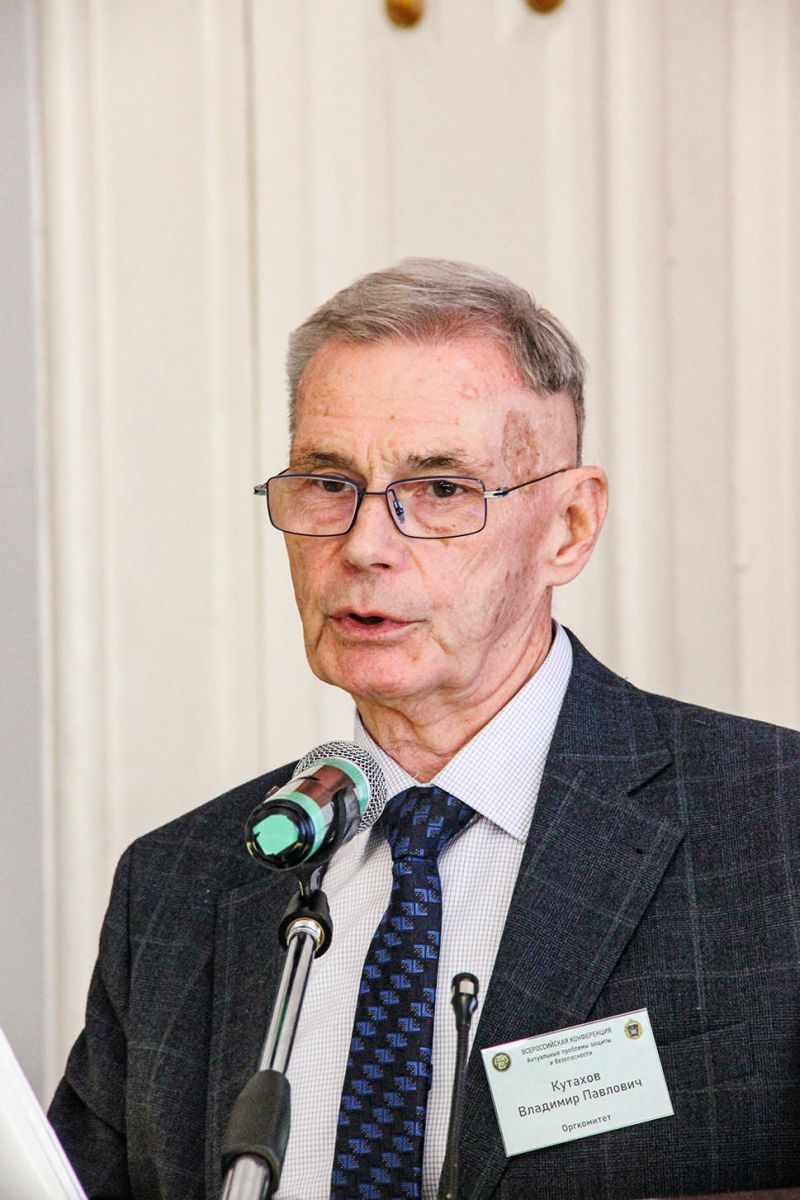
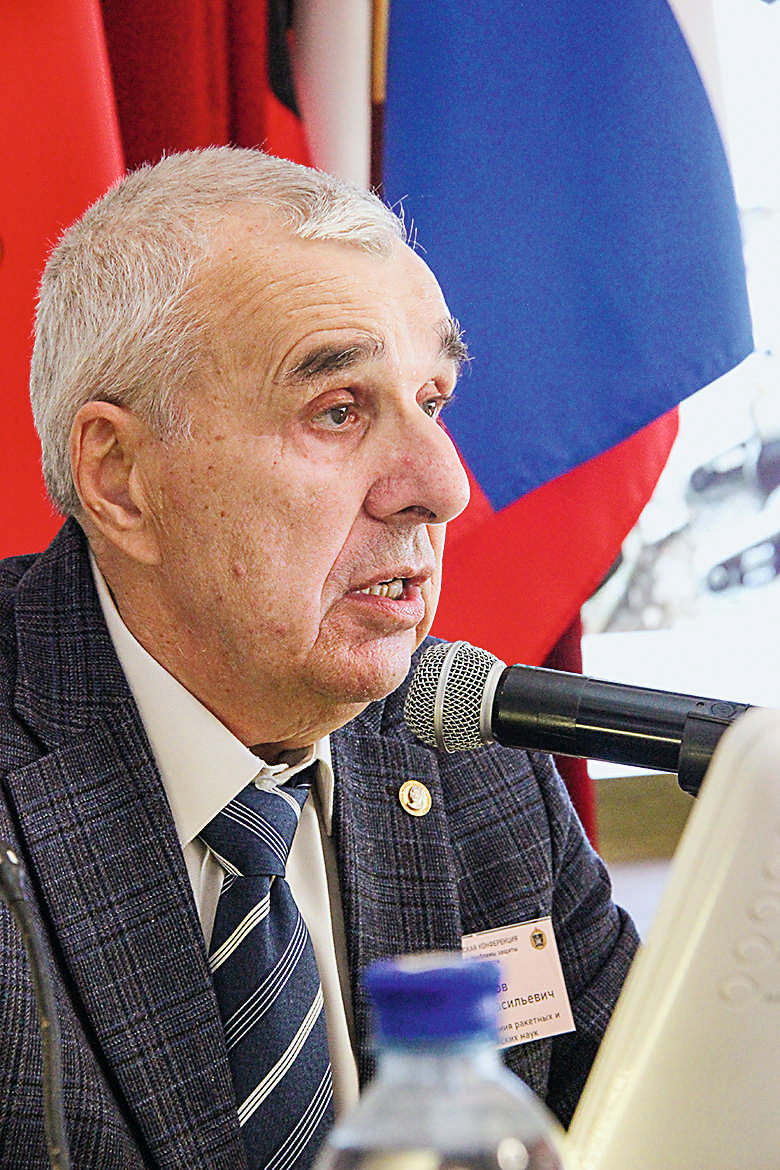
Without a doubt, the future of the armed forces lies in new knowledge-intensive areas of development of military and military equipment. But it has not yet arrived - and armed conflicts are resolved here on earth, often using traditional methods, so that they even unarchive obsolete weapons, because their potential is sufficient to solve some problems. Given that tens of thousands of ammunition are wasted per day, military equipment breaks down, and the defense industry is working hard to restore their reserves, the issues of prudent spending of funds and effort in executing the military budget come to the fore. How to satisfy the needs of the front, not forgetting to finance promising developments? How to use existing reserves most effectively, and is new and expensive always preferable to old and cheap? This was also discussed at the conference.
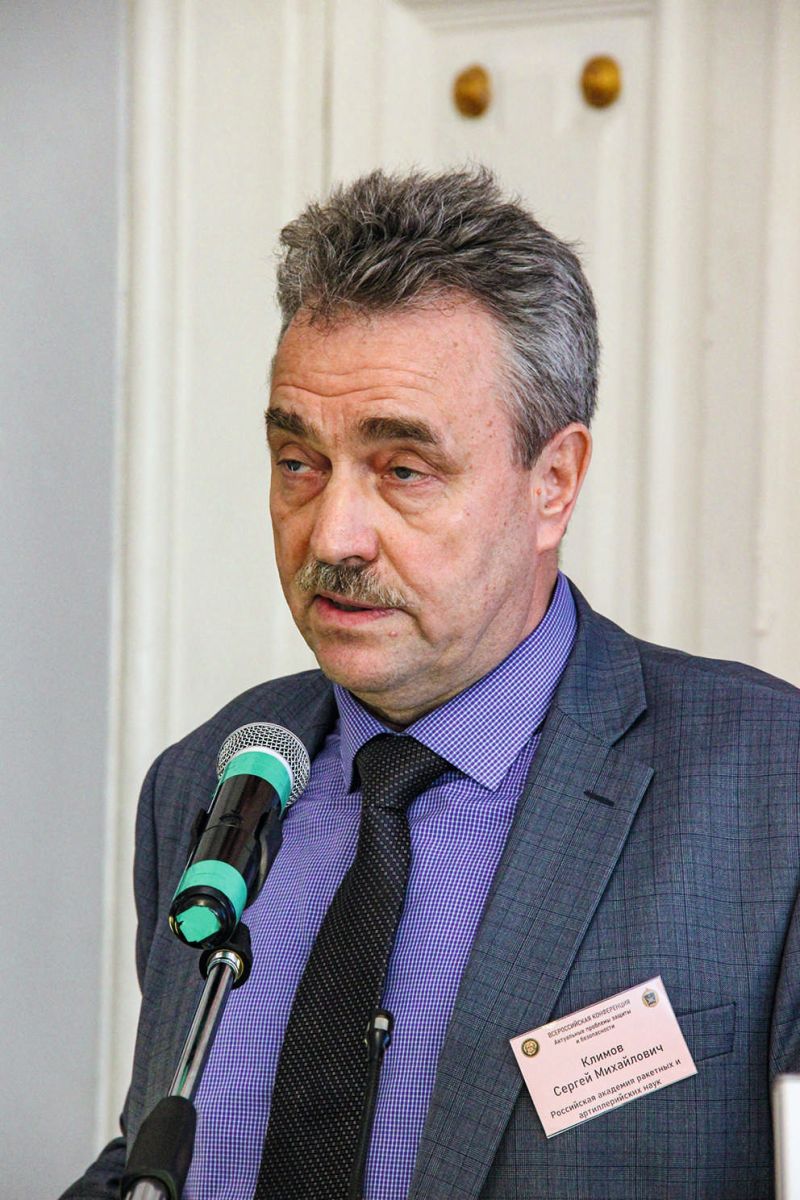
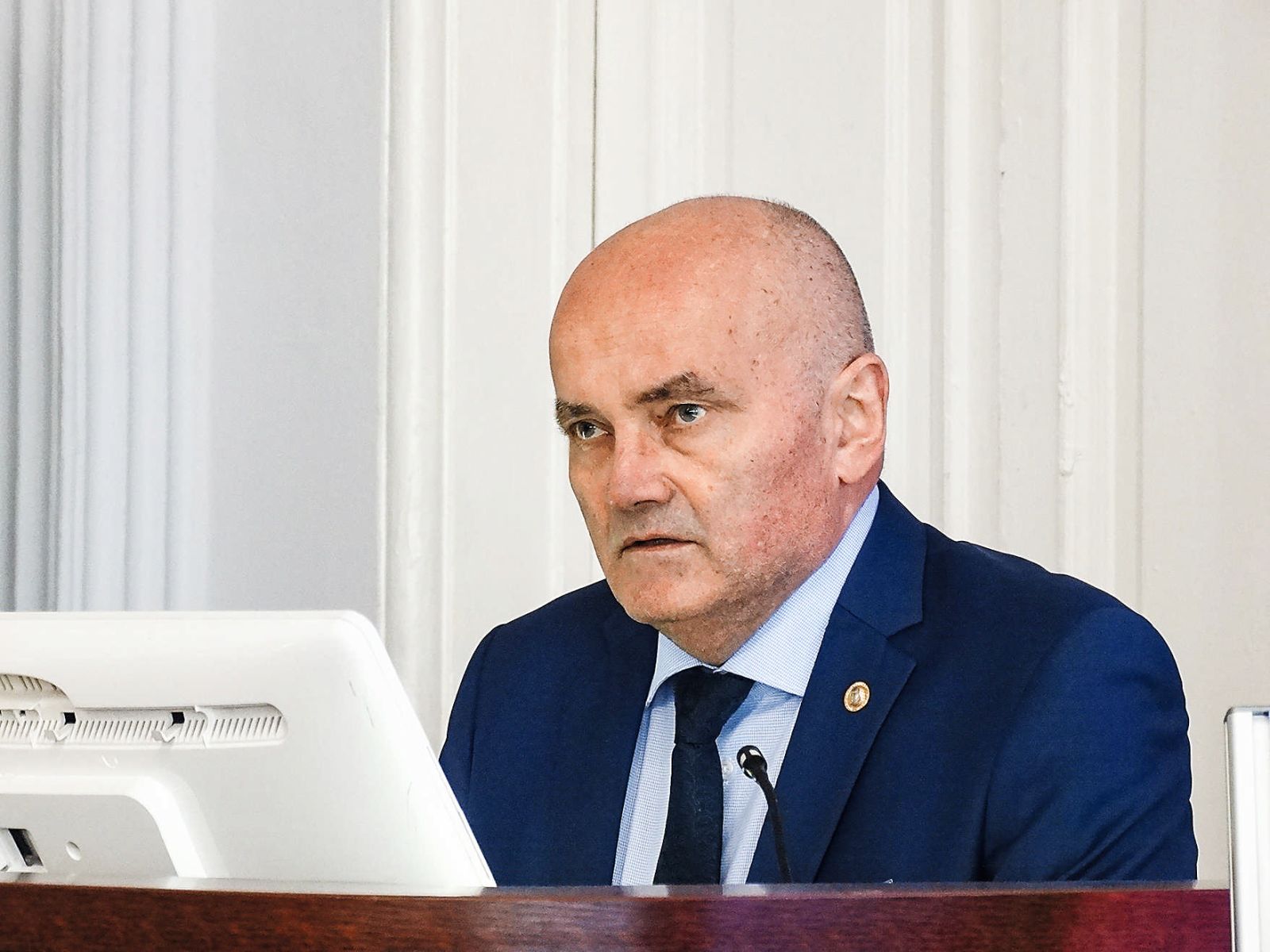
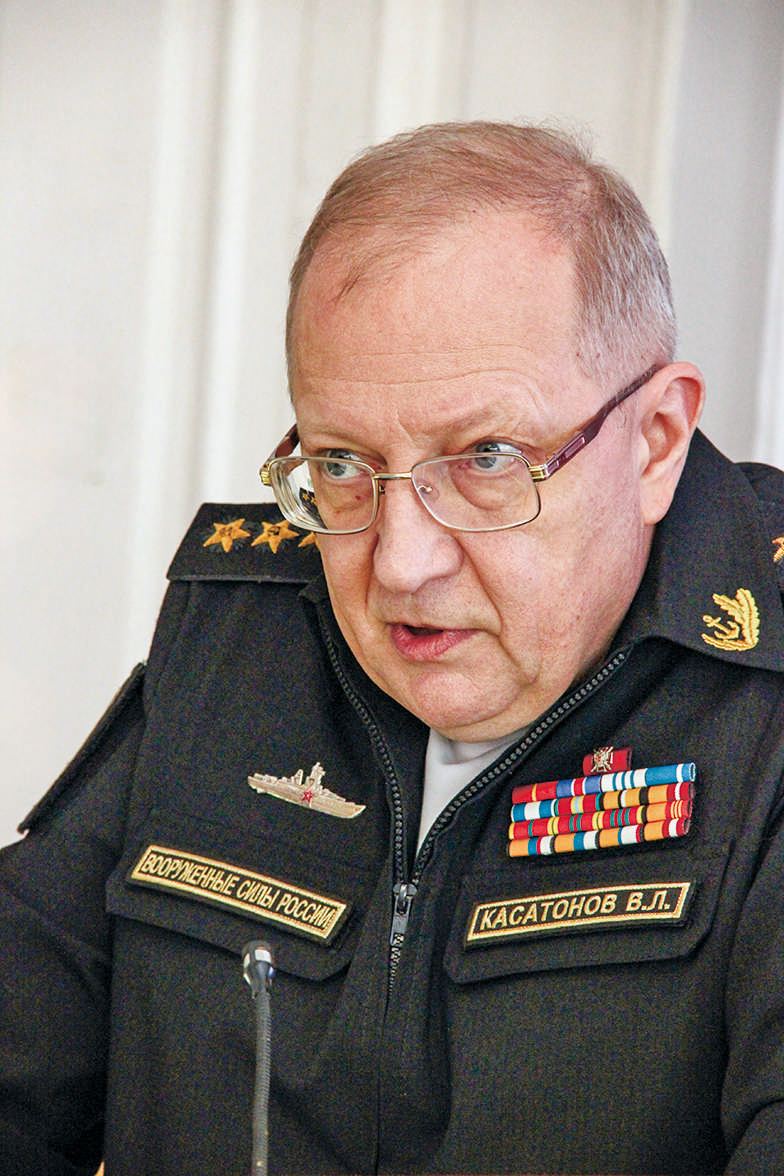
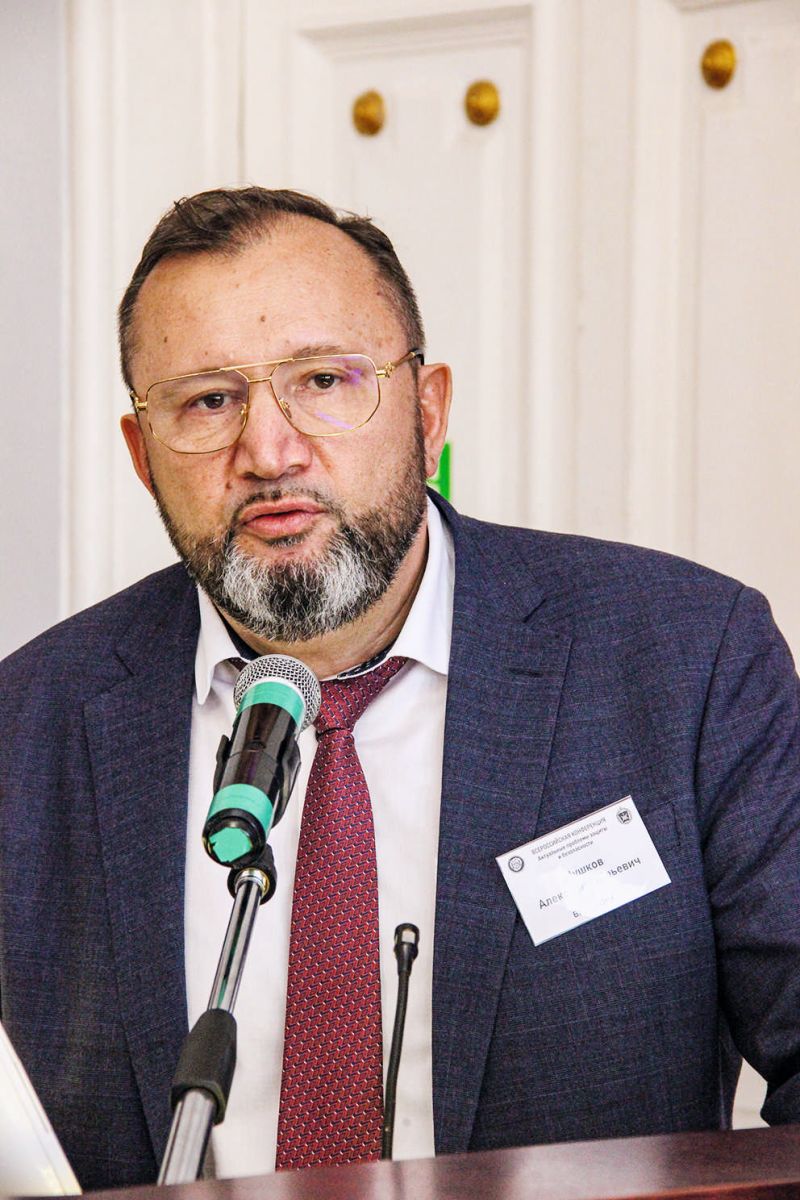
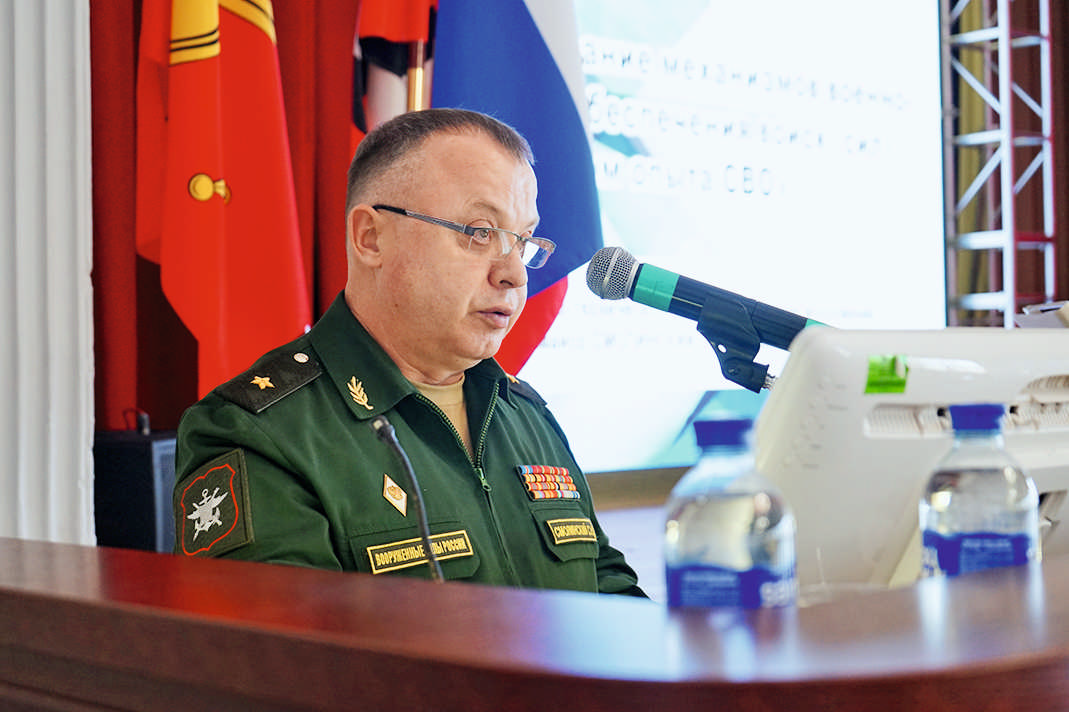
Under the conditions of the SVO, the management system for the creation of military and military equipment is continuously being improved. The audience learned, one might say, first-hand how this process is built - from a report authored by Deputy Minister of Industry and Trade K.A. Lysogorsky and two deputy general directors of the FSUE “VNII “Center” A.Yu. Mushkov (pictured) and Ya.I. Terekhov.
The regulatory basis for increasing the production and supply of particularly popular types of military equipment, in addition to the fundamental documents - the state armament program (GAP) and the state defense order (GOZ), became the Decree of the President of the Russian Federation of October 21, 2022 No. 763 “On the Coordination Council under the Government of the Russian Federation to meet the needs of the Armed Forces of the Russian Federation, other troops, military formations and bodies”, resolutions The Government of the Russian Federation, decisions of the board of the Military-Industrial Commission of the Russian Federation and instructions from the Ministry of Industry and Trade of Russia. The timing and volume of development and production of military equipment samples, linked to the necessary expansion and modernization of the production and technological base of the defense industry, are prescribed in the state program “Development of the military-industrial complex of the Russian Federation” (GP OPK).
And although the requirements for repeatedly increasing the volume of military equipment production in a short time and ensuring the rhythm of supplies were formulated taking into account the threats and risks for the defense industry due to sanctions pressure and possible attacks on industry enterprises, the challenges turned out to be extremely serious. A multiple increase in the volume of orders revealed the insufficiency of the production capacity of defense industry organizations, even when they are fully loaded, as well as a shortage of qualified personnel. The cost of basic raw materials and supplies, delivery times for components and electronic components, especially foreign-made, increased at an accelerated pace. At the same time, the creation of their domestic analogues, as well as completely Russian software for automating technological processes, required significant time and investment.
It was necessary to quickly make qualitative changes to the planning and production management system for military equipment. To solve operational problems, new bodies have been created: the Coordination Council under the Government of the Russian Federation to meet the needs of the Armed Forces, joint working groups of the board of the Military-Industrial Commission, the Ministry of Defense, the Ministry of Industry and Trade, other federal executive bodies and defense industry organizations. To fine-tune supply mechanisms, three operational headquarters have been created at the Russian Ministry of Industry and Trade: for the supply of components, components and assemblies; for acquisition of electronic component base; to provide raw materials and supplies. An effective method has been the formation of new types of short-term planning documents and production schedules along the entire chain of production of military equipment. Based on the work of operational bodies, measures of state support for enterprises were determined.
In particular, they receive priority financing for technological re-equipment and capital construction, including within the framework of above-limit contracting; preferential lending conditions and subsidies are provided for accelerated preparation of production for increased output. Efforts are being made to provide enterprises with professional personnel. On the other hand, there was a process of optimizing the organization of labor at the enterprises and organizations of the defense industry themselves: a round-the-clock operating mode was introduced, video monitoring of the main production sites was organized, the procedure for organizing work and technological processes for manufacturing products was simplified. Design changes were made to VVST products aimed at shortening the production cycle, reducing material consumption rates, or using their analogues.
To introduce new interdepartmental mechanisms for managing the supply of military equipment, new scientific and methodological support was created using Big data artificial intelligence technologies. It allows for an in-depth assessment of the industrial feasibility of production schedules, forecasting threats and risks of disruption to their implementation, assessing the effectiveness of spending subsidies, etc. Taken together, all these measures helped stabilize the situation and build systematic work taking into account changing political, economic and front-line circumstances. Chairman of the Scientific and Technical Committee (weapons development) of the RF Ministry of Defense, Major General S.N. Smolinsky in his speech also focused on improving the military-technical support of the troops. The Ministry of Defense treats this matter with care.
A multi-stage system for repairing faulty equipment has been established: mainly in the formations themselves or with on-site repair teams, and, if necessary, with the involvement of civilian specialists. Only a small part of it is sent to enterprises for restoration. At the same time, with the collection of statistics, design and operational deficiencies in technology are identified and eliminated. Thus, establishing the mass use of drones, improving the maneuverability of equipment and other issues caused certain difficulties, but they were overcome. Captured foreign equipment is also put into service. But the main motive for its extraction is to find weak vulnerabilities and copy successful design solutions, as well as study the experience of combat operations with its participation.
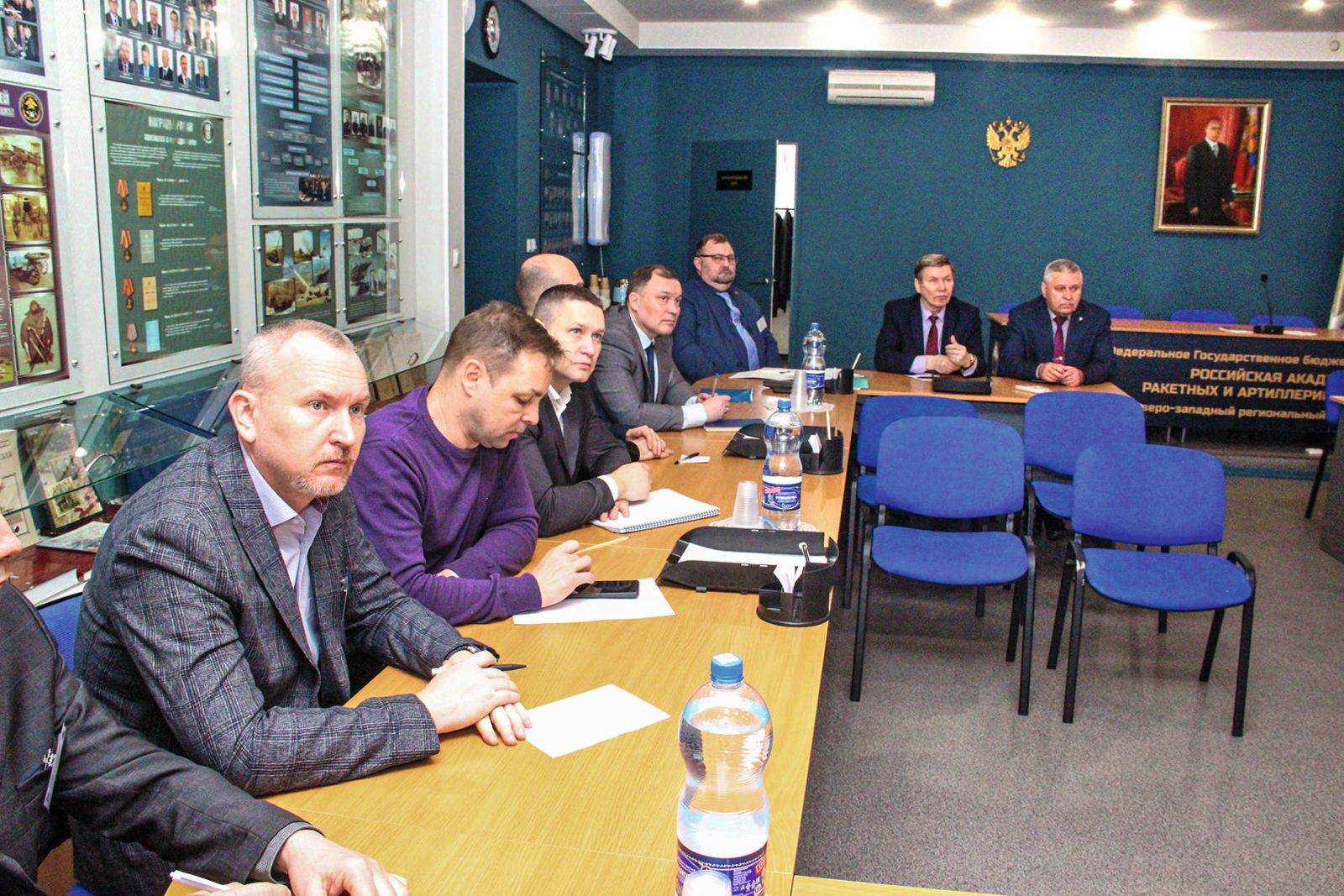
For this purpose, interdepartmental interaction has been established between the Ministry of Defense, military-industrial corporations, and design bureaus - several hundred samples of military trophies have already been examined. But you won’t live long on old supplies, even if you handle them carefully. The modernization potential and service life of equipment in war is quickly running out, but the Ministry of Defense has accumulated a reserve of promising weapons. Over the past two years, a system for assessing its scientific and technical readiness has been developed. At meetings of the Scientific and Technical Committee, decisions are made on setting and adjusting tasks regarding the creation and improvement of military equipment. When assessing R&D, the focus is primarily on whether the result was achieved with minimal risks.
And this approach justifies itself: in almost all respects, Russian weapons are much cheaper than foreign ones (on average 9 times), but in terms of tactical and technical characteristics they are not inferior to them, and often even surpass them. In general, as noted, speaking on May 25, 2024 at a meeting with the leadership of defense industry organizations in Korolev, President of Russia V.V. Putin, the growth in production volumes was: for missiles and artillery weapons - more than 22 times; for electronic warfare and reconnaissance means - 15 times; for ammunition and means of destruction - 14 times; for cars – 7 times; for personal armor protection – 6 times; for aviation technology and unmanned aerial vehicles – 4 times; for armored weapons - almost 3.5 times.