VI APZB Conference
Impulse to create new types of weapons
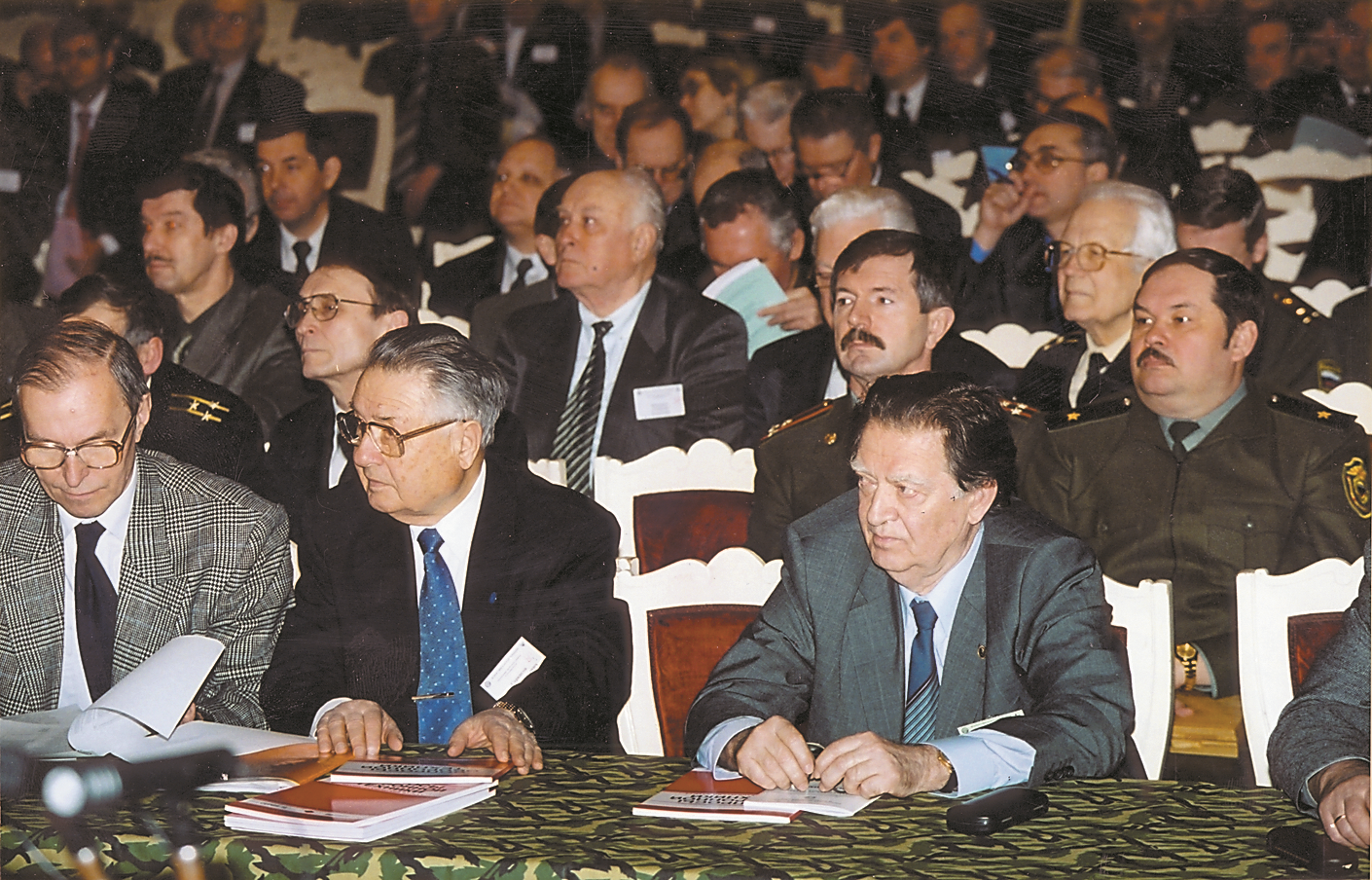
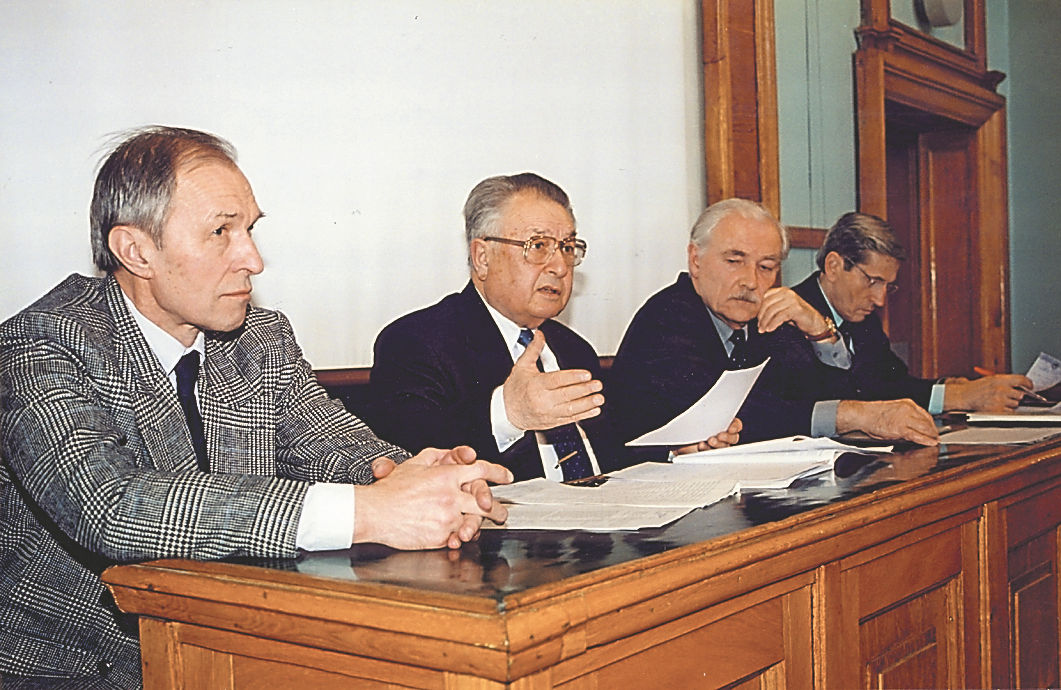
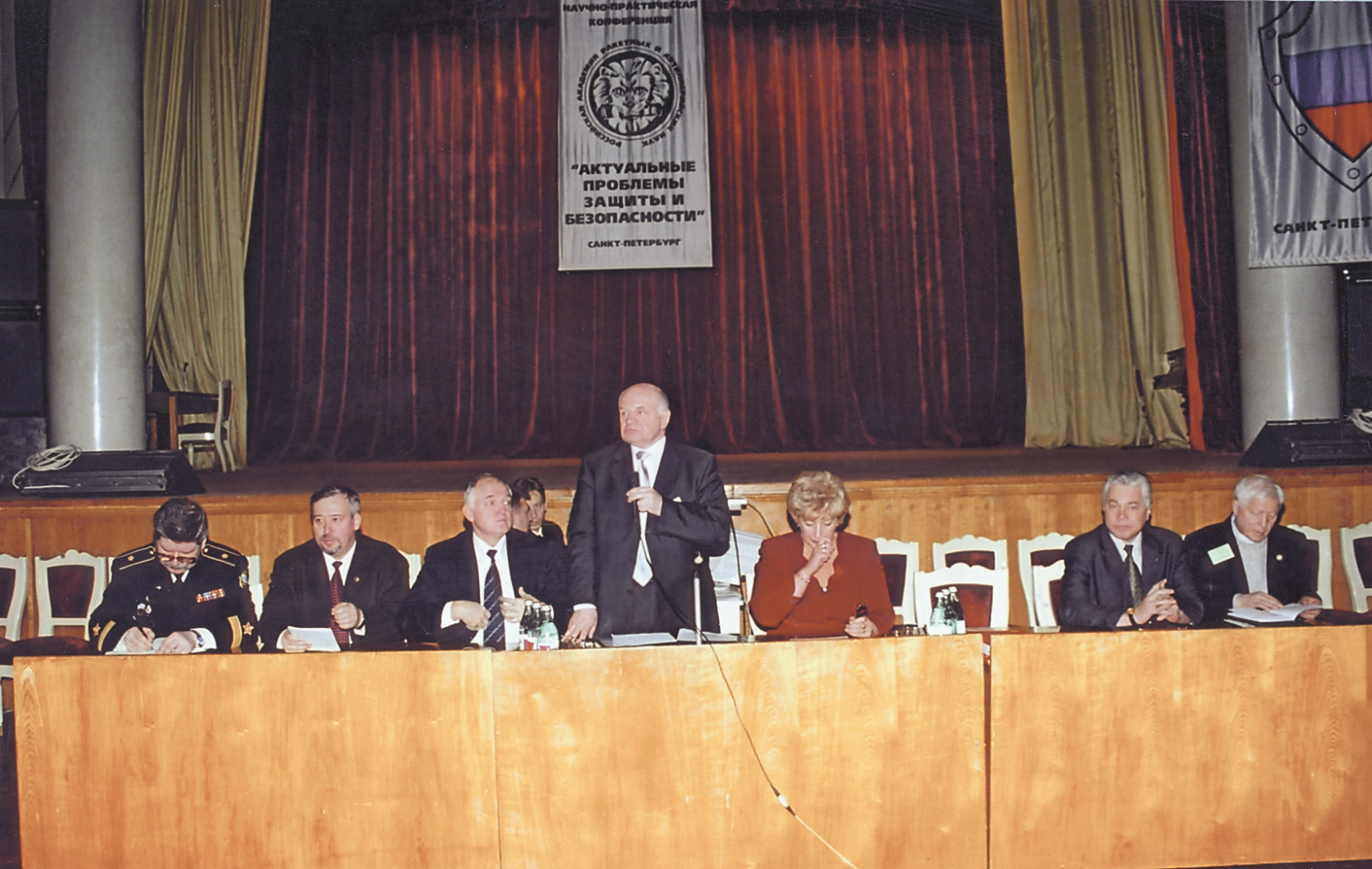
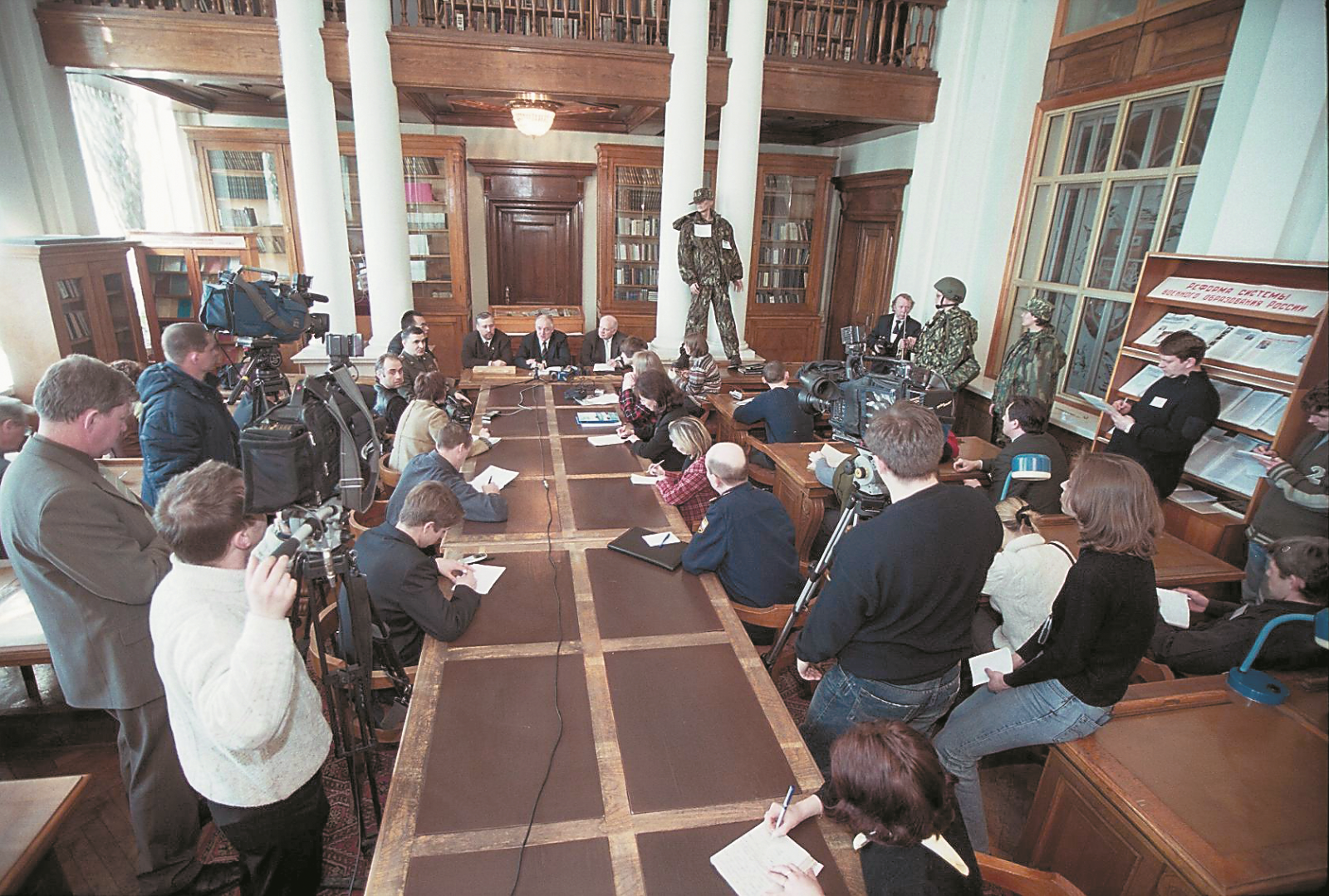
The VI All-Russian Scientific and Practical Conference “Current Problems of Defense and Security” was held in St. Petersburg. Every year the range of problems and issues discussed at the conference expands, the scientific and scientific-technical level of reports increases, and the number of participants increases.
More than 800 representatives from 140 military units, enterprises and organizations took part in the 2003 conference. 11 reports were read during the plenary session and 229 during the work of the sections.
Speakers at the VI conference noted another feature of these forums: their participants - military, scientists, production workers - initiate the formulation of many important security problems not only for citizens, especially important life support facilities, the Armed Forces, but also for our entire state.
Thus, speaking at the opening of the conference, Colonel General V.V. Ovchinnikov (ROSOBORONEXPORT) recalled that at the last conference concerns were expressed in connection with the beginning of a new redivision of the world. The warnings turned out to be prescient - today the dangers associated with the actions of the only superpower are spoken loudly in many countries.
Assessments of the processes that have taken place in our country over the past decade are also changing. Like the period of collapse of the army and law enforcement agencies
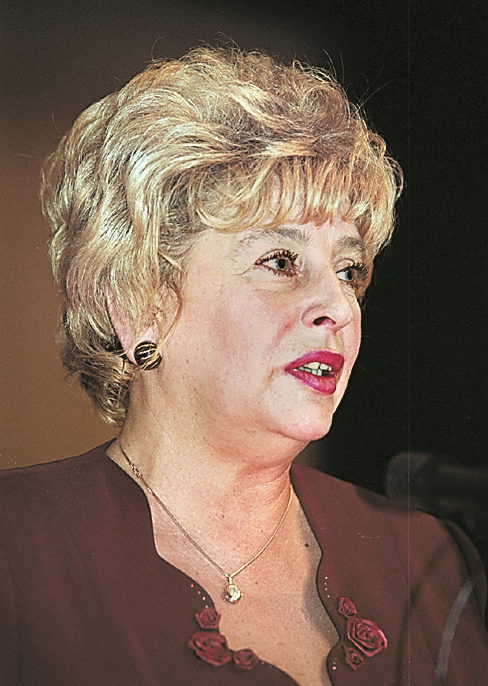
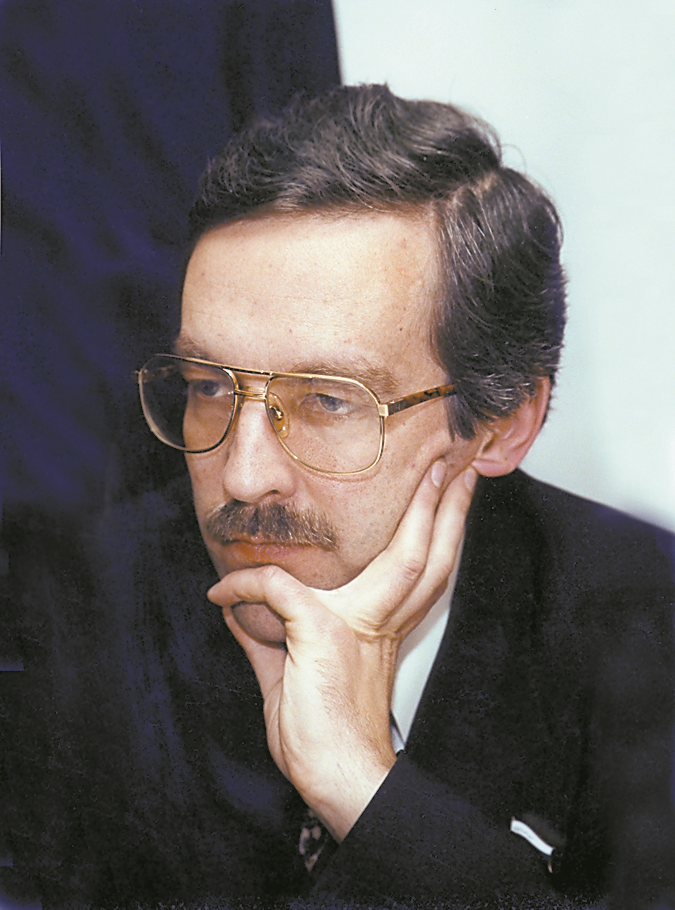
Vice-Governor of St. Petersburg A.B. characterized this time. Markova. She noted that this time is now ending thanks to the efforts of people concerned about the state of the country's security, and wished the conference participants success in their work that Russia needs.
“In the early nineties there was no shortage of supporters of conversion, now the time has come for the reverse process,” said the President of the St. Petersburg State Polytechnic University, Academician of the Russian Academy of Sciences Yu.S., speaking at the conference. Vasiliev. He highlighted the training of specialists for the country's military universities as an important problem.
The challenge posed by the United States to the world community certainly gave particular relevance to the developments initiated by the conference. Head of the conference organizing committee, General Director of the Russian Conventional Arms Agency A.V. Nozdrachev emphasized that the results of the conference contributed to the intensification of the formation of the Federal program for the development of combat equipment “Fighter-XXI”, the organization of research and development work to create new types of equipment, weapons and military equipment, and means of combating terrorism. He cited these facts in his report on the role of scientific and practical conferences “Current problems of protection and security.”
The readiness in the financial sphere to resist “states that forget that they are not alone in the world, so as not to stand in line before them to solve their problems,” was expressed by the senior vice president of GUTA Bank D. V. Konstantinov. In his report he spoke about
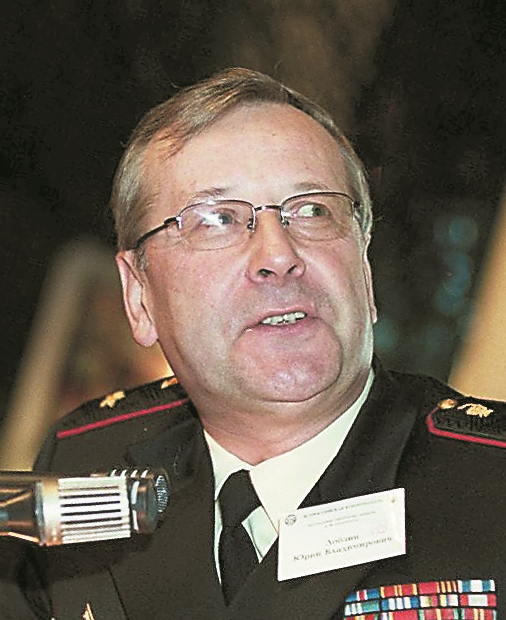
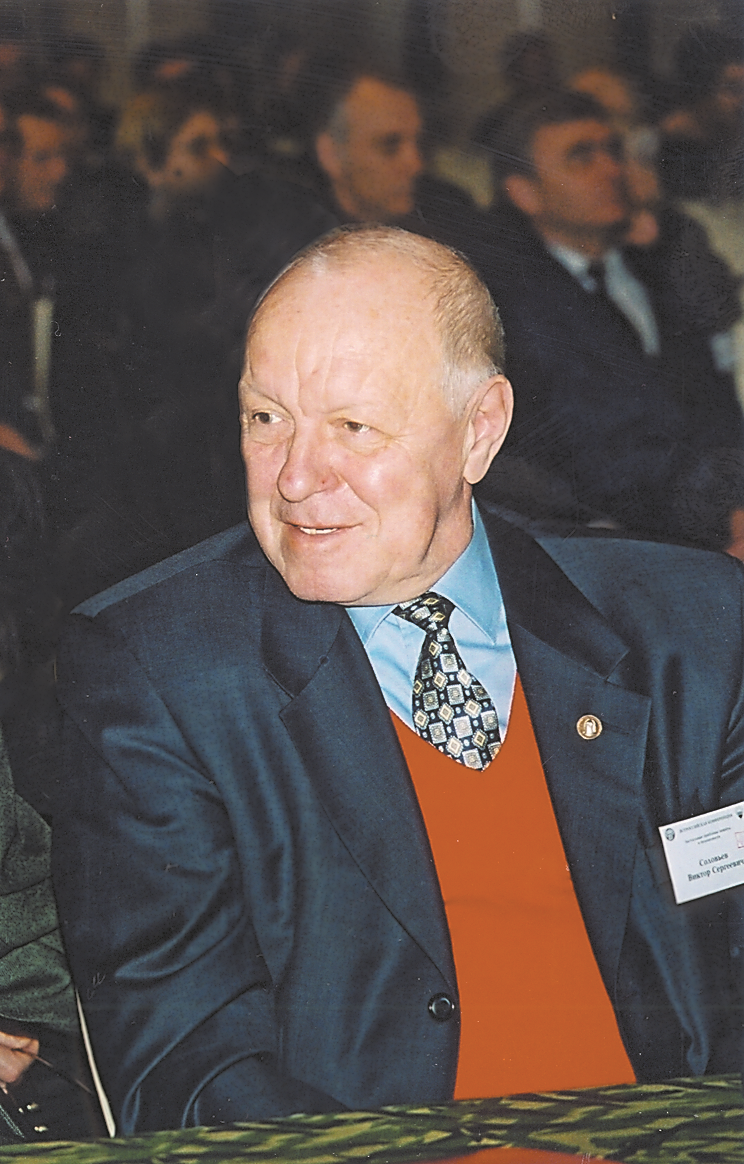
developments aimed at increasing the efficiency of using budget funds within the framework of state defense orders.
Eleven reports were read at the plenary session.
The General Director of the Research and Production Association dedicated his speech to the protection of especially important facilities, including nuclear ones.
Special materials M.V. Silnikov. He noted that in Russia there are 29 power units with nuclear fuel operating at 9 nuclear power plants, and there are 113 research nuclear installations, in a thirty-kilometer zone where more than 10 million people live. Meanwhile, many principles of organizing the protection of objects have long been outdated. They were designed to detect and disrupt the activities of individual offenders rather than heavily armed groups. Even a selective analysis of the state of security systems shows that they do not reach the level of necessary and sufficient reliability. The main drawback is the lack of complexity and consistency in the construction of multifunctional protection systems. There is an urgent need, as a counterbalance to departmental initiative, to create a state program to ensure the security of particularly important facilities, which includes the latest developments and techniques createddomestic scientists.
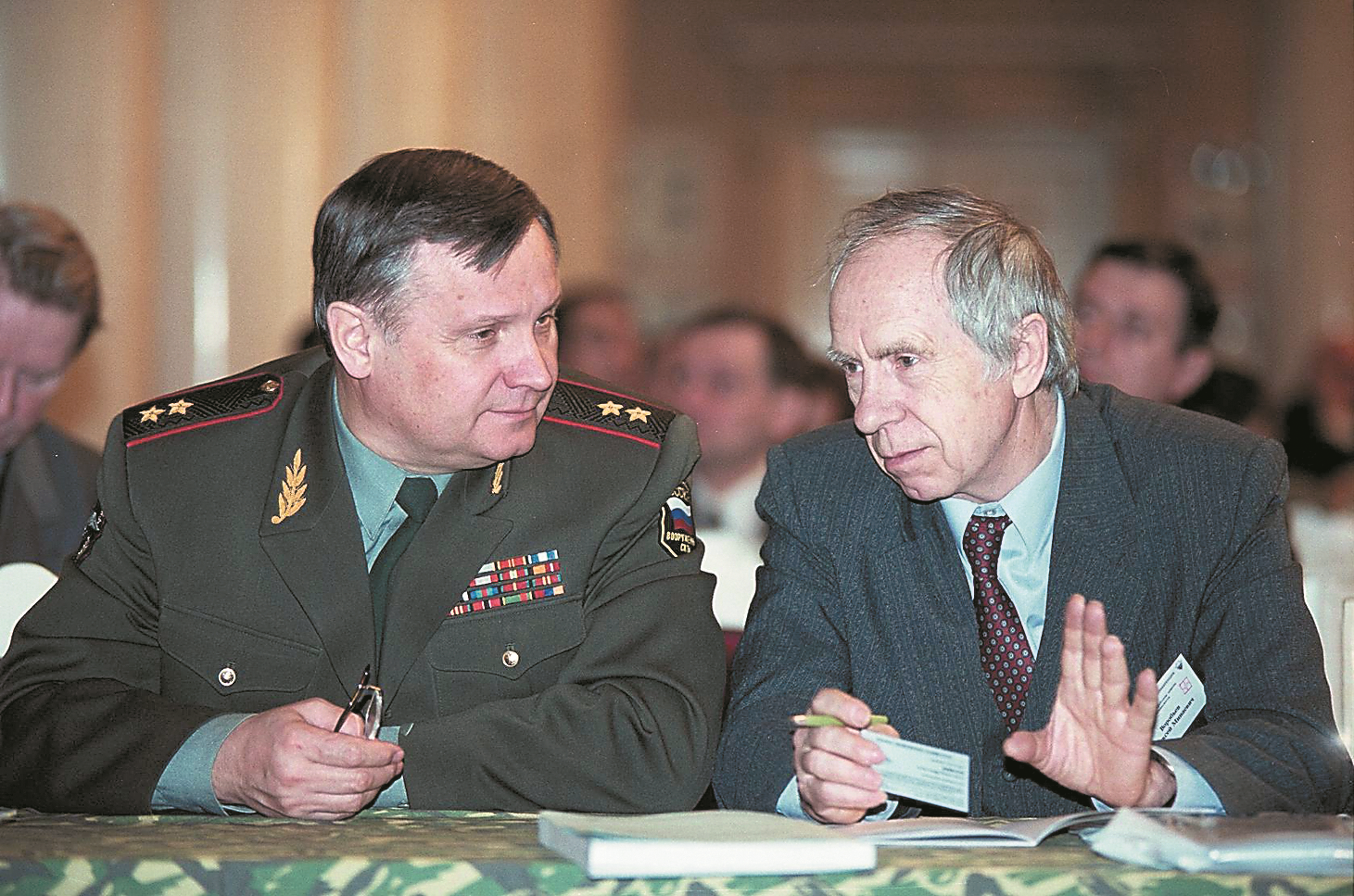
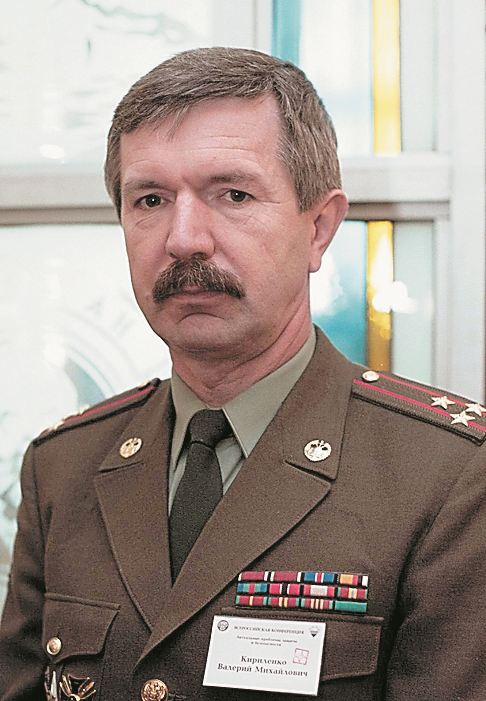
The topic of the role of science in countering terrorism was raised in his report by V.P. Salnikov and I.A. Vozgrin (St. Petersburg University of the Ministry of Internal Affairs of the Russian Federation). In recent years, the level of development of the theory of criminology has become significantly ahead of the practical implementation of its scientific developments. This situation, according to the authors of the report, is unacceptable. It is necessary to take a number of urgent measures aimed at more effective use of new forensic technical means, tactics and methodological recommendations in law enforcement practice. This is impossible without a well-organized, highly specialized forensic production with sufficient production capacity and close ties with research teams.
The Director General of the Central Research Institute of Robotics and Technical Cybernetics, Corresponding Member of the Russian Academy of Sciences V. A. Lopota, dedicated his report to new methods and means of countering radiation terrorism. The Central Research Institute of RTK has developed a complex for preventing and eliminating the consequences of radiation terrorism. The complex consists of both stationary and mobile radiation monitoring equipment and can be operated in urban environments by professional radiation safety services, radiological services of SES, and industrial specialists.
Anti-terror weapons are the topic of the report by the Deputy General Director of the Instrument Design Bureau, a branch of the Central Design Research Bureau for Sporting and Hunting Weapons V.K. Zelenko. “At present,” he said, “Russian units participating in counter-terrorism operations do not have sufficient quantities of special types of small arms, ammunition, and special equipment.
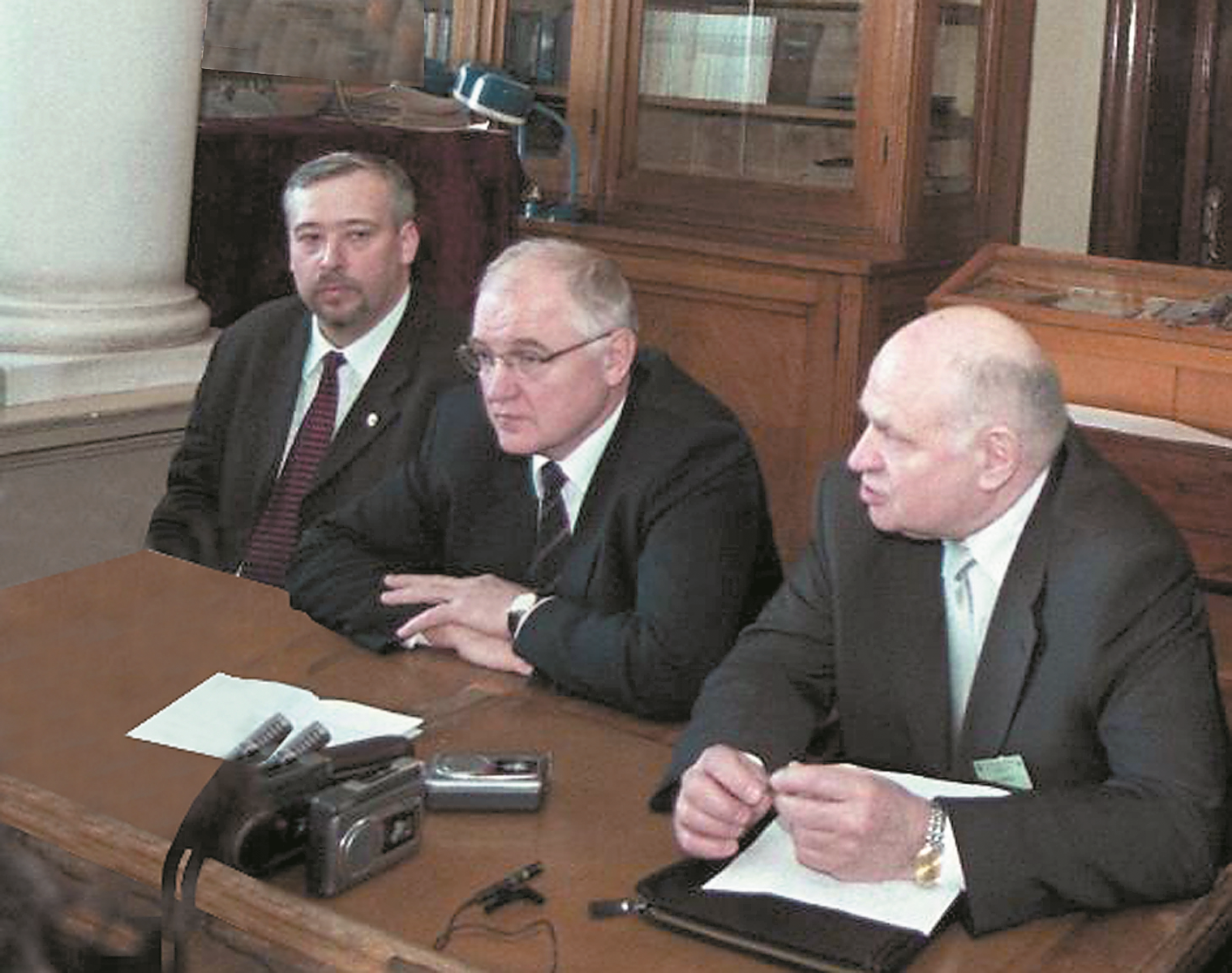
The army models they have in service, developed decades ago for use in large-scale armed conflict, have a limited range and do not allow them to effectively solve a variety of anti-terrorism tasks. To ensure maximum safety for the surrounding population when neutralizing terrorists in populated areas, the use of small arms chambered for 5.45 mm cartridges is absolutely unacceptable. The bullets of these cartridges have an increased ricocheting effect and a flight range that is excessive for a populated area, which entails a significant risk of hitting civilians and their own personnel.
In these conditions, for arming not only anti-terror units, but also all personnel of the Ministry of Internal Affairs, it is necessary to use samples chambered for non-ricochet 9 x 39 mm cartridges, adapted for use in populated areas. Samples of weapons for this ammunition have been developed, put into service and mass-produced (small-sized assault rifle 9A-91, silent sniper rifle VSK-94).”
New approaches to the development of personal armor protection from the perspective of military field surgery were discussed in a report prepared by the head of the Department of Military Field Surgery of the Military Medical Academy, Major General E.K. Gumanenko. The problem of choosing the optimal army body armor and protective helmets is complex and the task of linking together the two polarities has not yet been fully resolved.
trends: ensuring fragmentation and bulletproof protection of the body and ensuring acceptable ergonomic indicators of these samples (weight, size, elasticity, etc.), which can have a significant impact on fatigue, mobility, ease of fire and other components of combat effectiveness. The report provided an analysis of the use of personal armor in combat conditions and recommendations for the development of designs for new body armor and helmets.
“In connection with the formation of a new legal system in the Russian Federation, its harmonization with the legislation of the countries
European Union and other countries of the world, there has been a change in the legal field of activity of the Russian Ministry of Internal Affairs and other law enforcement agencies. In order to ensure that the law respects the rights of citizens and to exclude unjustified cruelty in the use of physical force and special means, state control is provided over the formation of a non-lethal weapons system,” noted Colonel V.N., head of the Research Institute of Special Equipment and Communications of the Ministry of Internal Affairs of Russia, in his report. Baranov.
Currently, the protection of troops is interpreted differently, not as supporting the operation, but as its integral part and the main principle of combat - “reliable protection of troops.” This emphasizes the increasing role of troop protection in achieving success during operations, which consists in creating the prerequisites for the full realization of the combat potential of troops under the influence of modern types of weapons and numerous dangerous factors.
A promising system for protecting troops in special and counter-terrorism operations was discussed in a report prepared by the Deputy Head of the Combined Arms Academy of the Armed Forces of the Russian Federation, Lieutenant General V.A. Vinogradov. The results of the assessment of the current situation lead the author of the report to the conclusion that it is necessary to introduce a troop protection system in the RF Armed Forces on a new, uniform conceptual basis for all types and branches of troops, capable of ensuring the safety of the troops when solving various tasks in peacetime and wartime, in any situation.

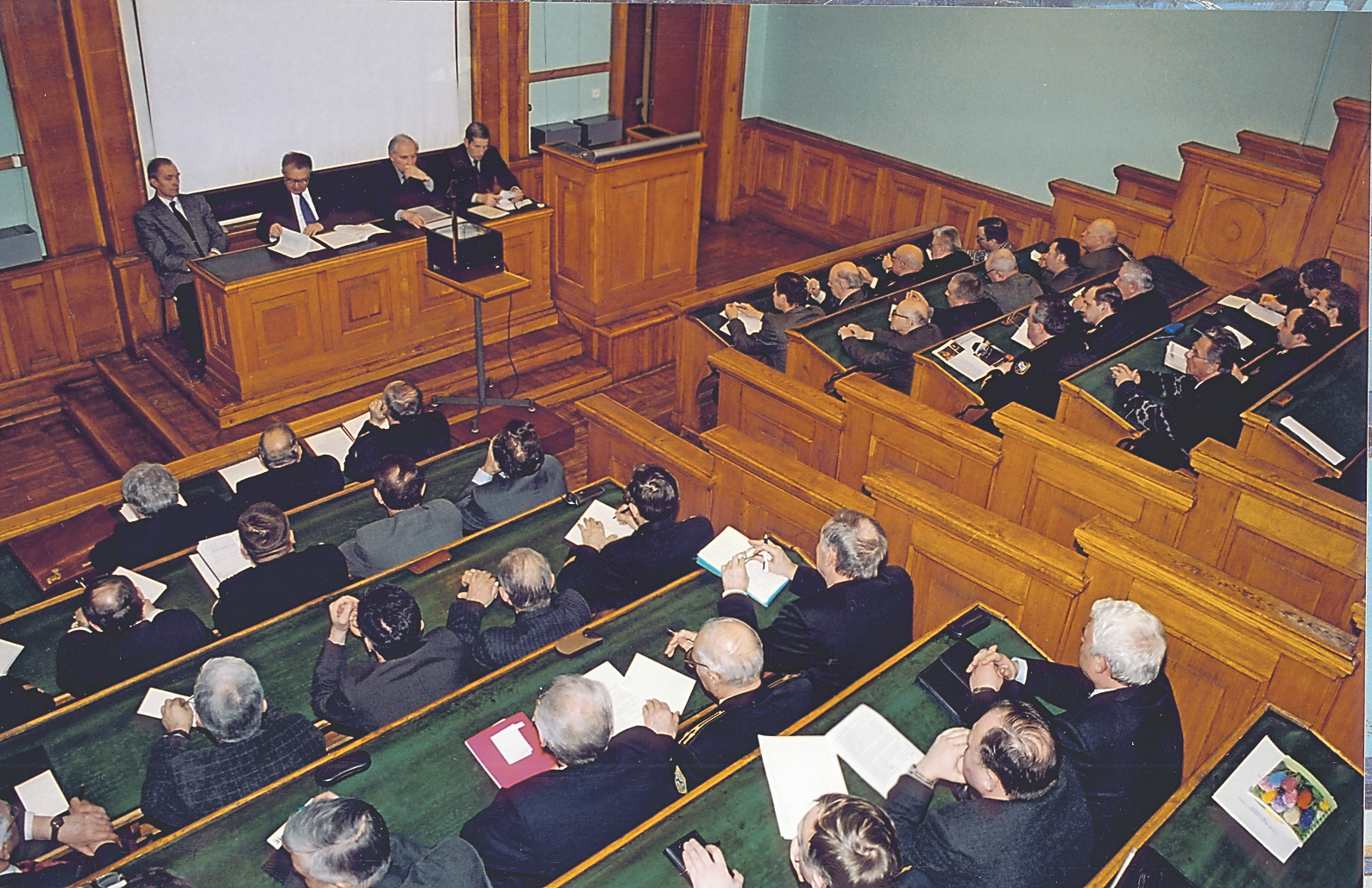
The essence of the implementation of the new system is a comprehensive solution of scientific, organizational and technical problems united by a single concept. The report noted that the pace of implementation of a promising troop protection system and its effectiveness in modern operations fully depend on the comprehensive solution of both scientific, organizational and technical problems, as well as on the integration of the efforts of organizations capable of solving these problems.
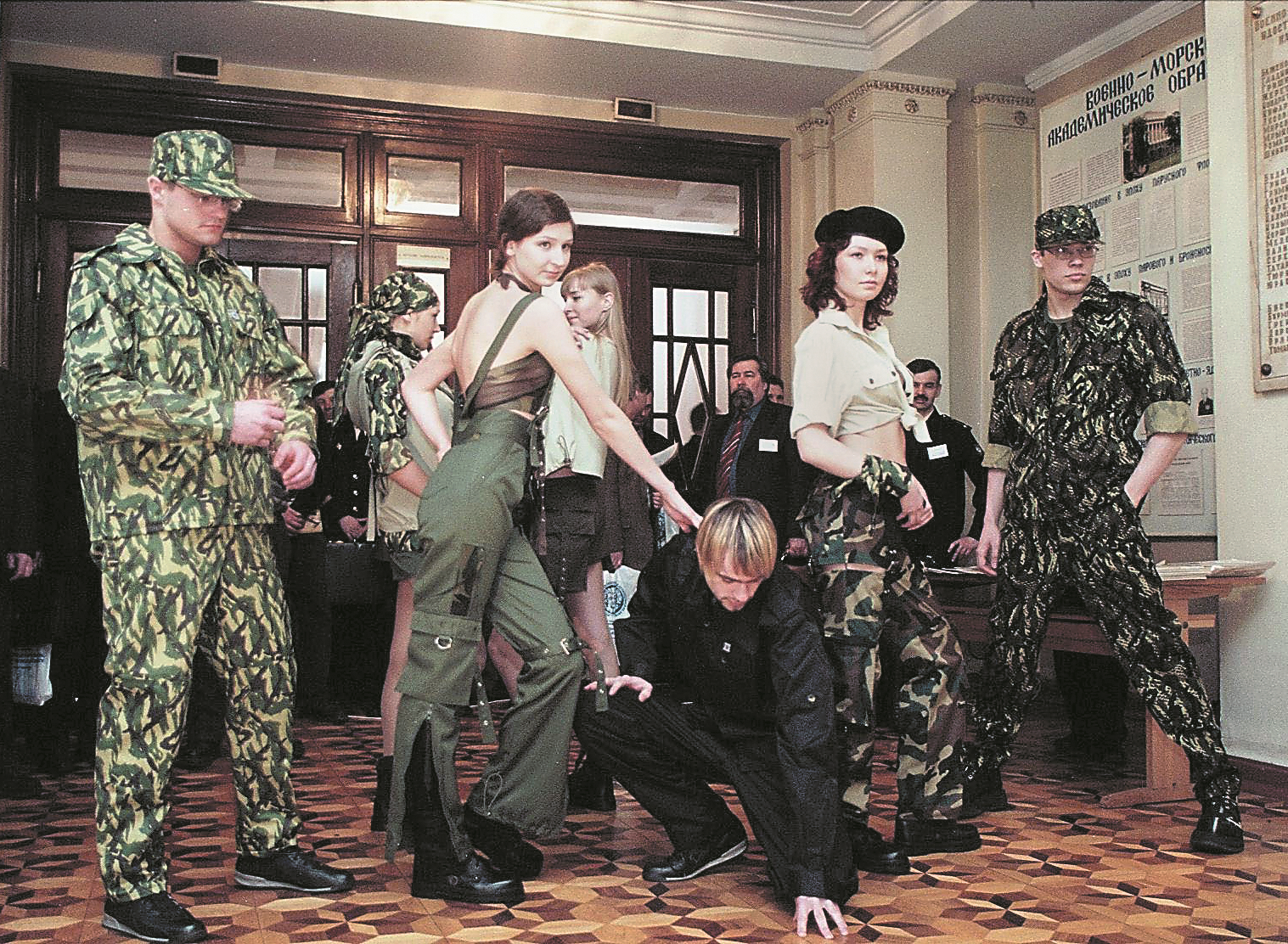
A wide range of issues related to strengthening the security of our country were discussed during breakout sessions.
Traditionally, there were five sections - “Combat equipment and personal protective equipment, materials, tests”, “Weapons, including non-lethal action, detection systems, guidance, communications, navigation, and unit control”, “Fighting terrorism, detection and neutralization of explosives and radioactive substances, weapons”, “Security of particularly important facilities, nuclear centers, credit and financial institutions”, “Medical and biological problems and new medical technologies”, as well as symposium on the topic: “The Navy and its weapons in solving problems to protect the national interests and security of Russia.” By all accounts, the conference was an important step towards strengthening and improving Russia's security.