VIII APZB Conference
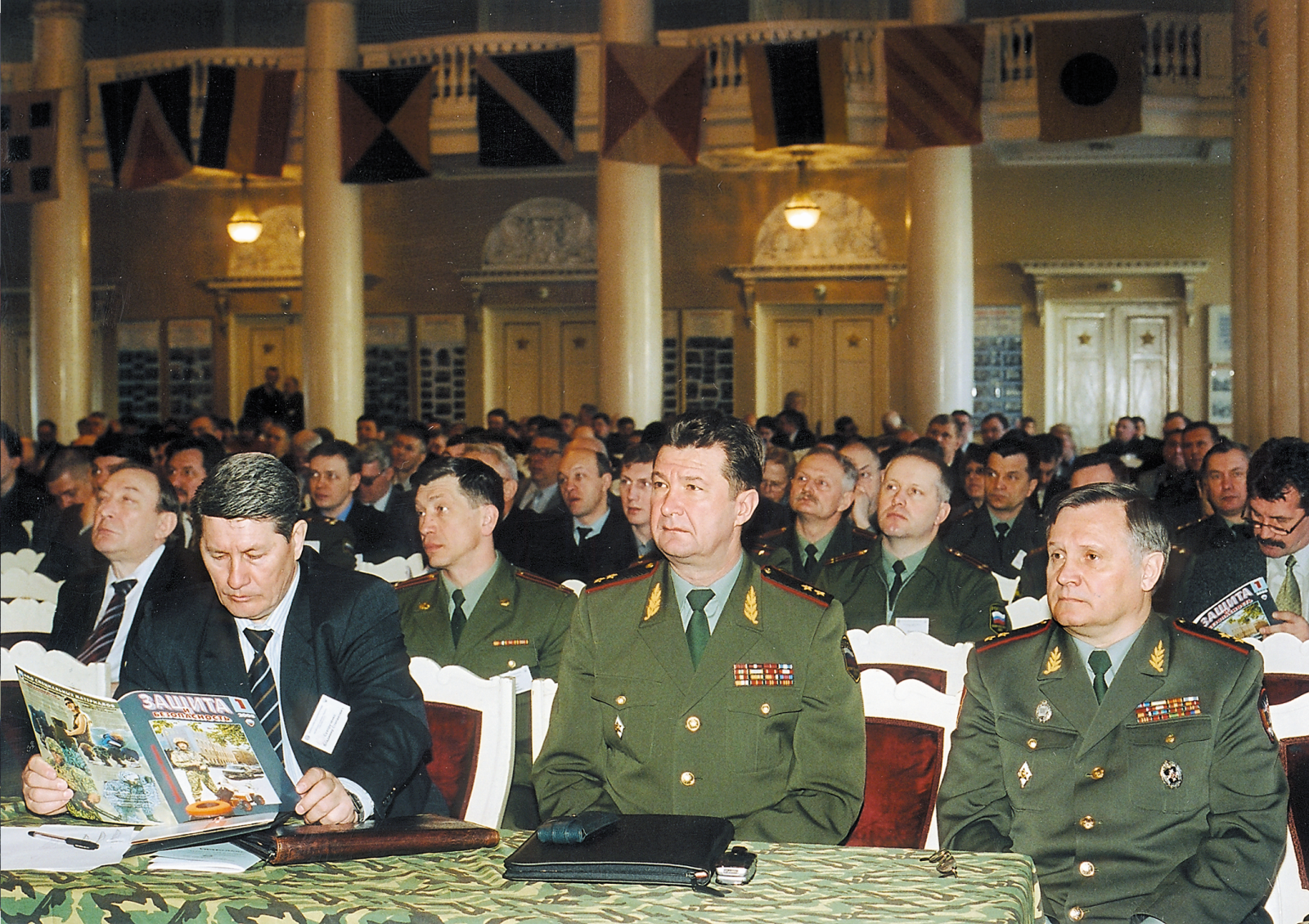
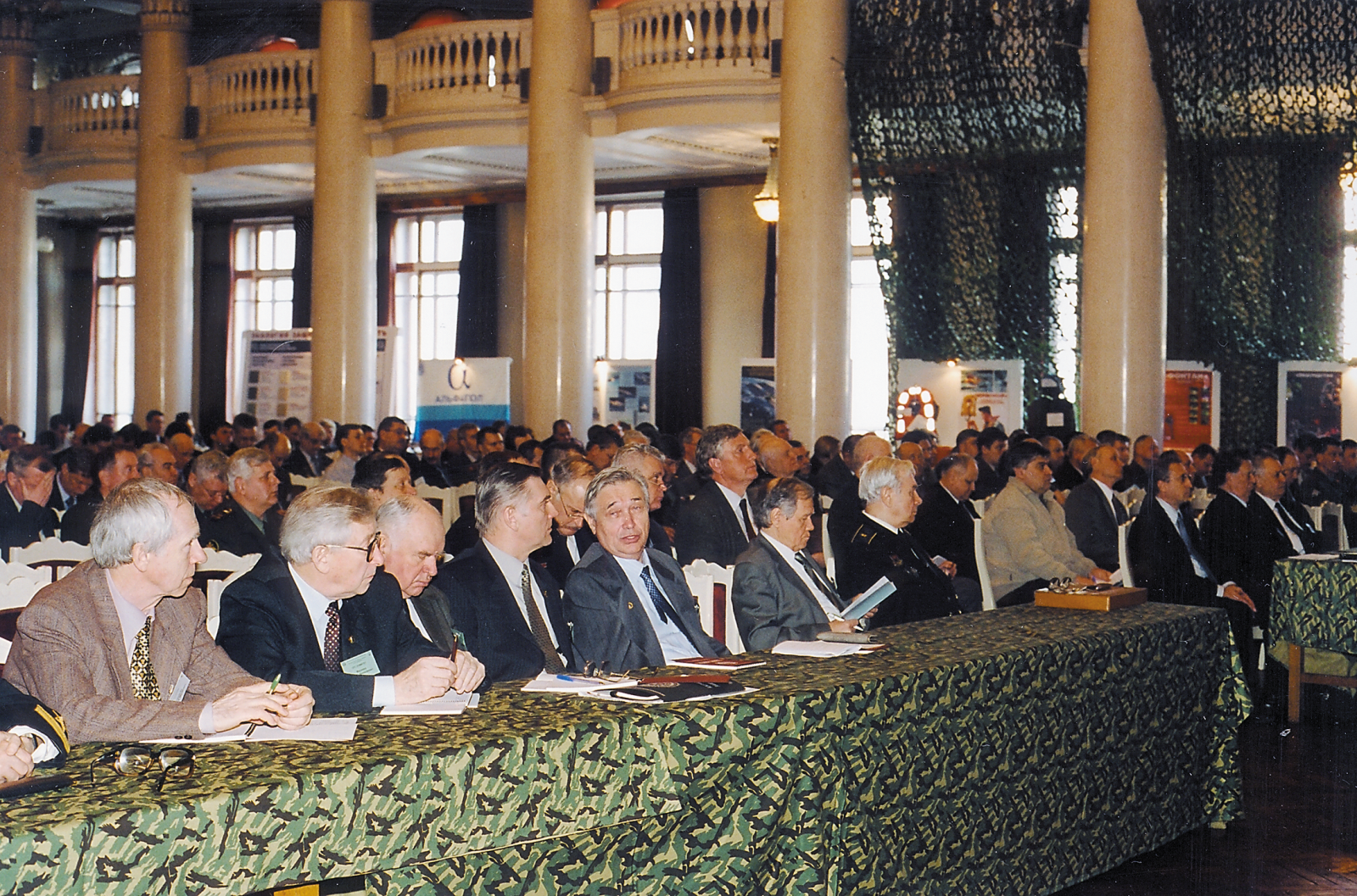
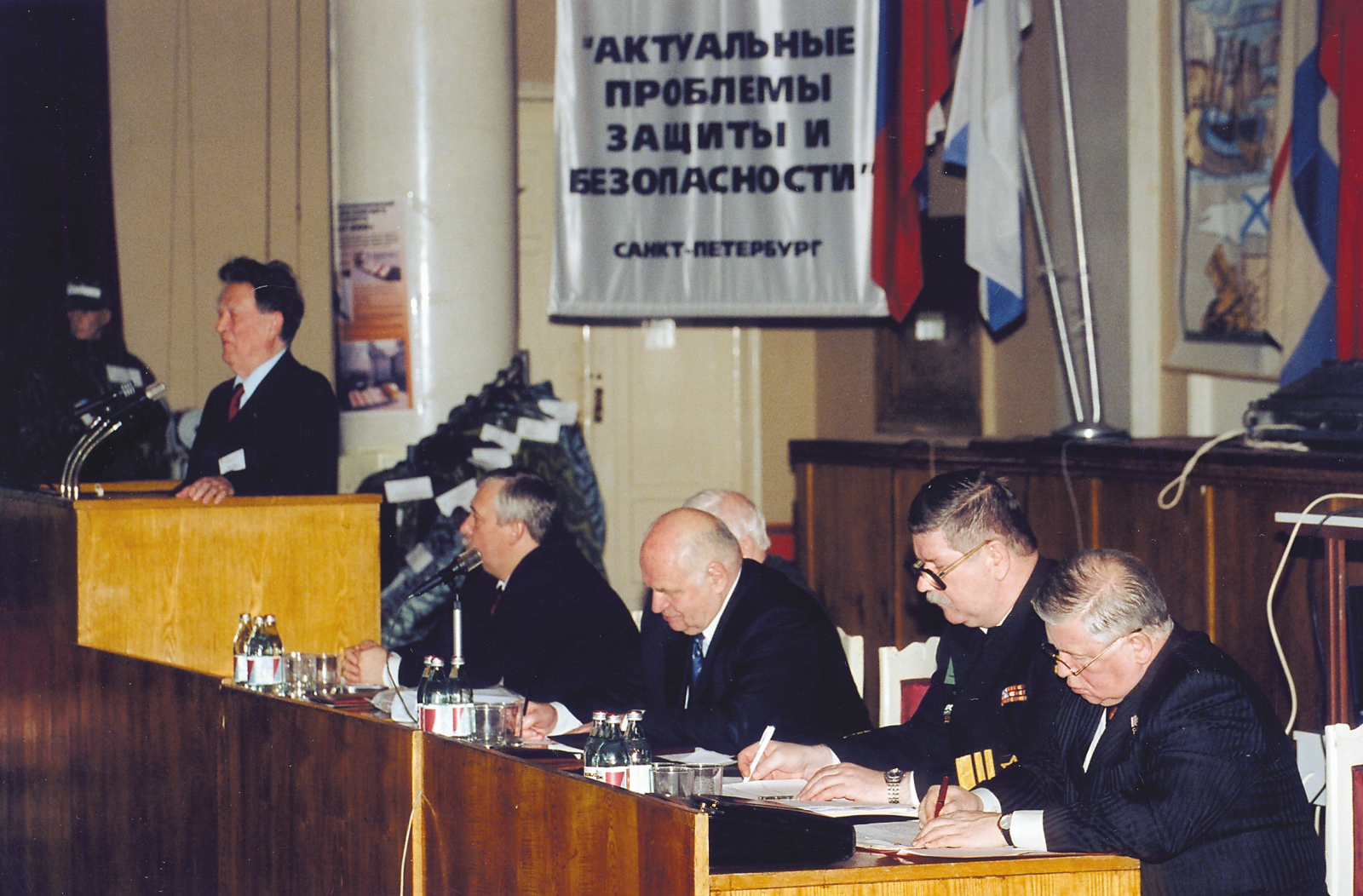
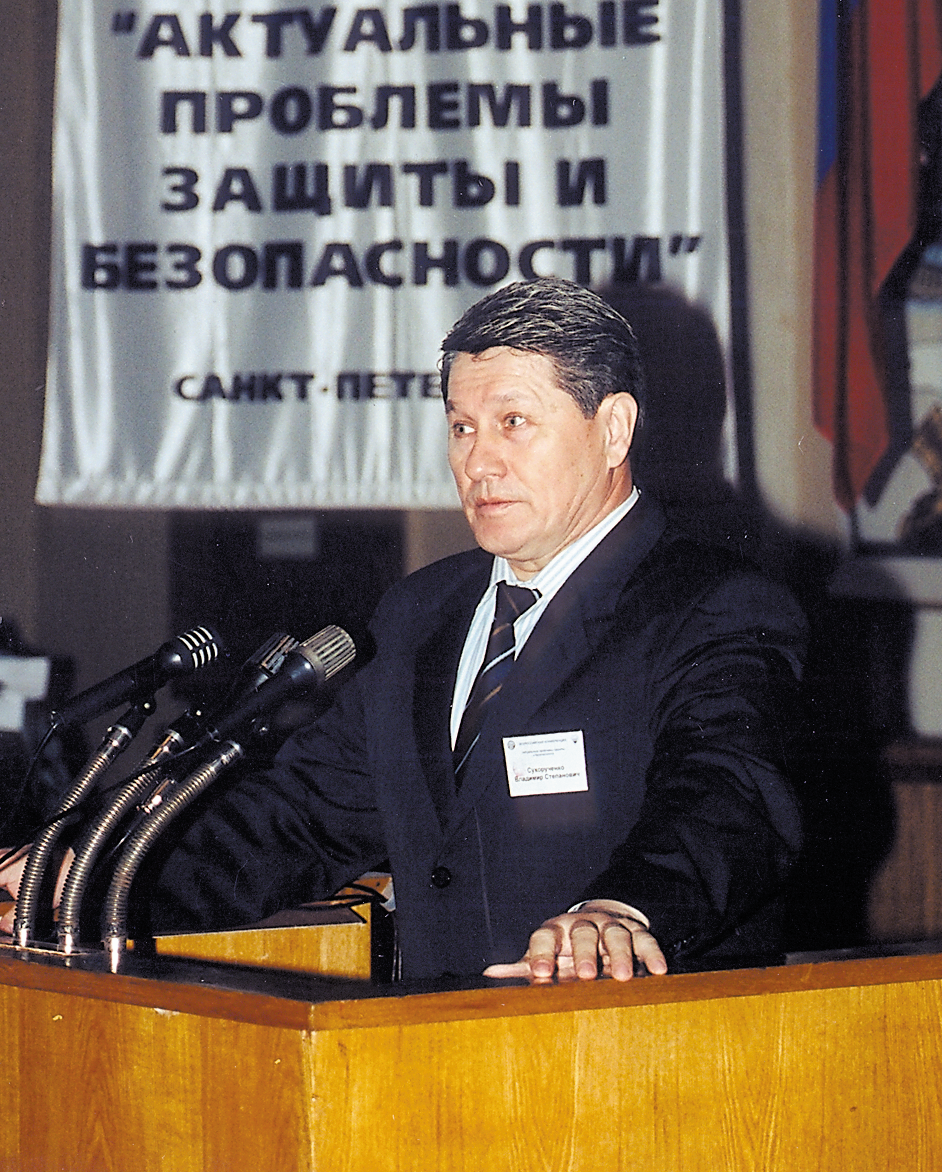
The Eighth All-Russian Scientific and Practical Conference “Current Problems of Defense and Security” was held at the Naval Academy named after Admiral of the USSR Fleet N.G. Kuznetsov.
The conference received its name from the scientific and technical journal “Protection and Security”, the topic of which formed the basis of the program of the very first conference. Its goal was to discuss at the interdepartmental level the issues of creating field uniforms, ammunition, as well as individual and collective protective equipment, unified for all law enforcement agencies of Russia.
At that time, relevant research and development activities were carried out by various power ministries and departments separately, in conditions of complete isolation from each other. This has led to a noticeable lag in the production of modern protective equipment.
The usefulness of the conference and its unifying and coordinating role were immediately felt by the military, scientists, and representatives of defense industry enterprises.
Already the second conference (1999) was distinguished by a significantly greater number of participants and thematic diversity than the first. It was attended by dozens of research and design organizations, educational institutions of various law enforcement agencies, as well as senior officers, generals and admirals of the Armed Forces, Navy, Ministry of Defense, Ministry of Internal Affairs, FSB, Federal Border Guard Service and other structures. At the plenary session and in sections, more than 400 reports and messages were heard on a wide range of problems of ensuring Russia’s national security - from the traditional issues of protecting soldiers to the fight against terrorism.
The range of issues discussed expanded year by year, the conference became a truly all-Russian platform for discussing pressing issues

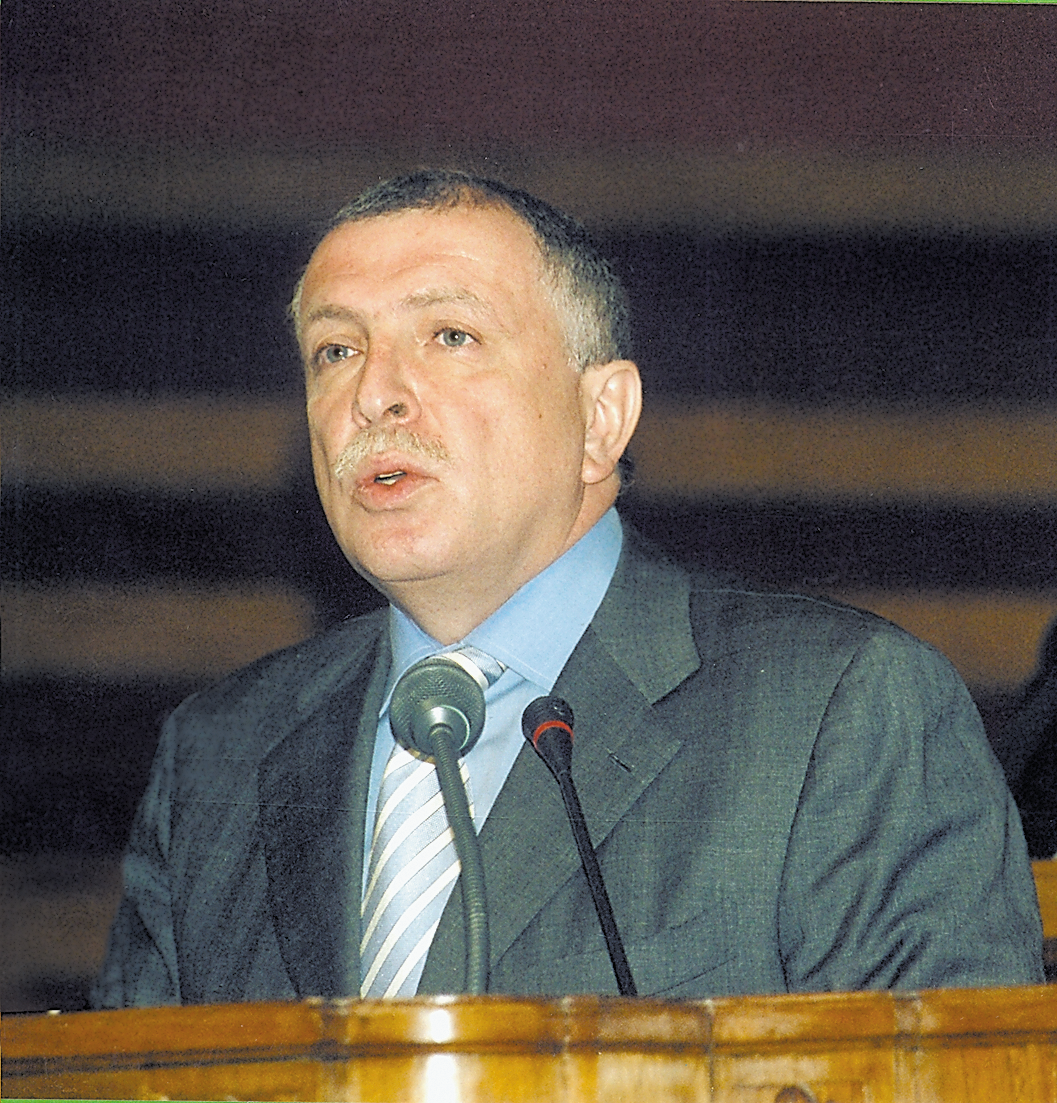
military-industrial complex and power structures of Russia.
The Eighth All-Russian Conference was no exception, the work of which, after the plenary session, was held in five sections: “Armament, military equipment and medical and biological problems”, “Armored vehicles and weapons”, “Problems of the Russian Navy”, “Technical means of countering terrorism and non-lethal weapons”, “Extreme robotics”.
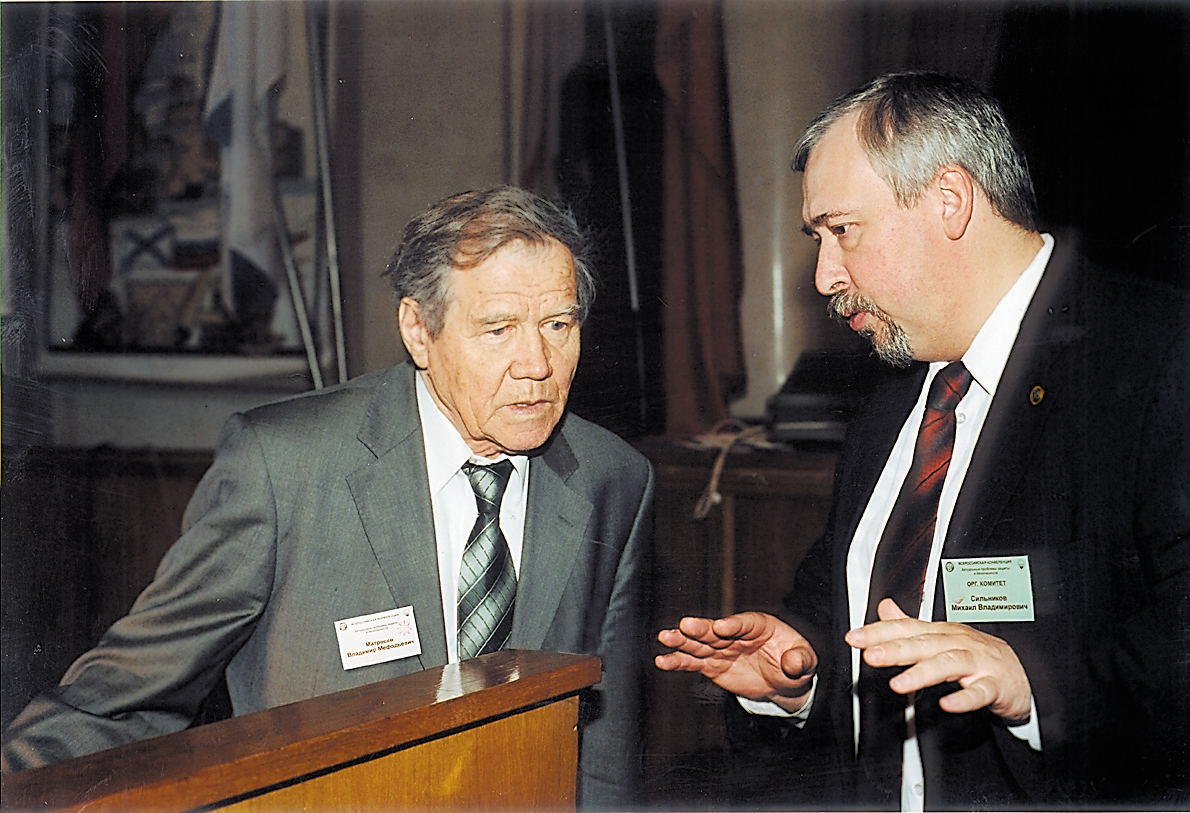
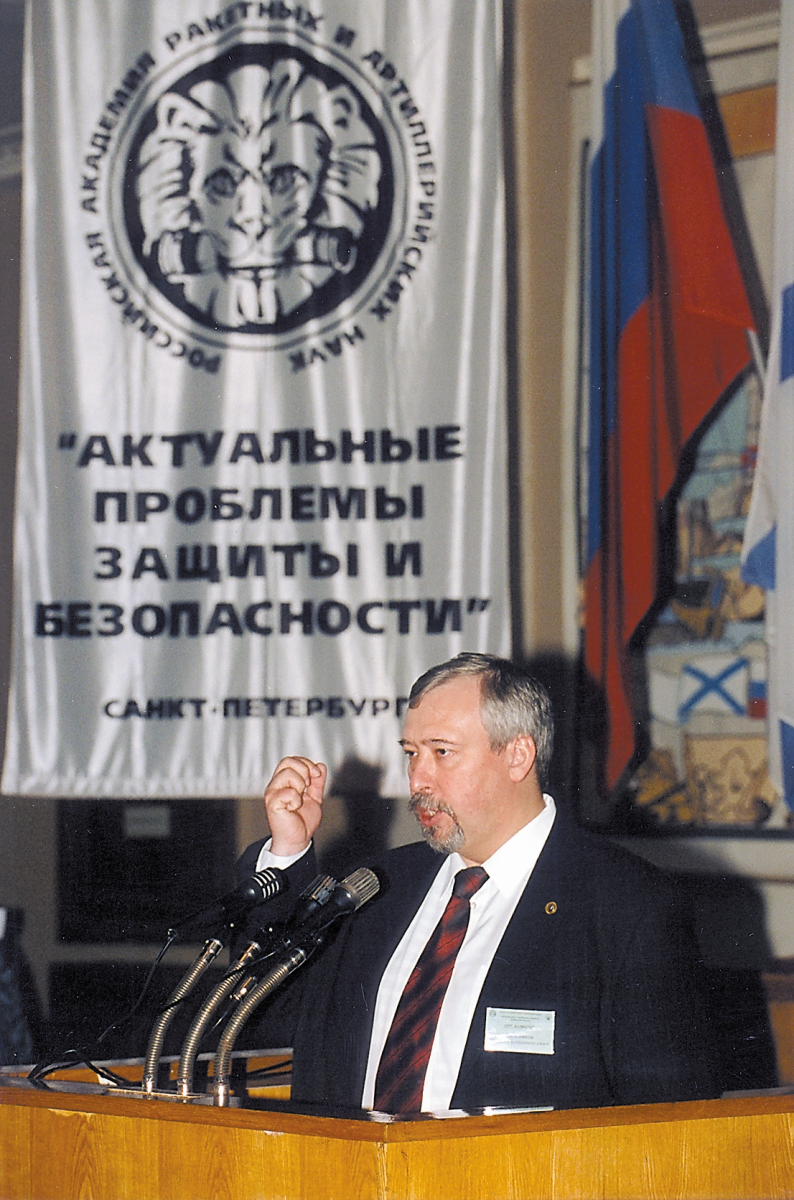
The working part of the plenary session was opened by a report delivered by the General Director of NPO Special Materials, Doctor of Technical Sciences, Professor M. V. Silnikov. He spoke about new developments designed to protect objects and people. The speaker noted that until now, perimeter security of objects is reduced to document checks within the framework of the access regime, then
there is, to the correct execution of invoices, passes, reconciliation of photographs, etc. But this is now no longer enough to protect against terrorists who do not spare anyone, not excluding themselves, and can simply knock down a light barrier in a car loaded with explosives.
We need protective equipment that prevents the passage of vehicles. It is very important, the speaker emphasized, that such tools are mobile, quickly installed, universal, and produced in a factory environment with reliable quality control. It is precisely these requirements that the stationary station for stopping wheeled vehicles “Pokat”, developed by NPO Spetsmaterialov, meets.
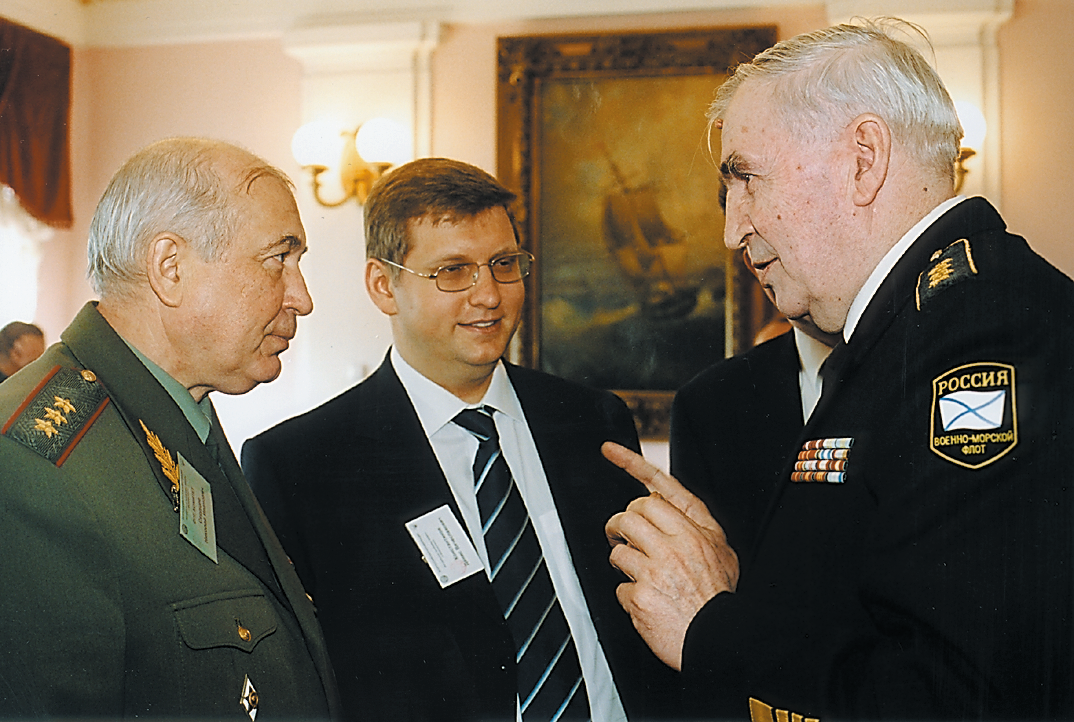
Developing the topic of countering terrorist explosions, M.V. Silnikov made an analysis of the means of localizing explosions that exist today, dampening the blast wave and
protecting from splinters. Tests have shown the high efficiency of the “Fontan” product manufactured by NPO Spetsmaterialov, which can reduce the risk of injury from shrapnel and suppress the blast wave of devices with a power of tens of kilograms of TNT equivalent. This product has been adopted by the Ministry of Internal Affairs of the Russian Federation. Its important feature is that it can be used by non-specialists. In this sense, “Fountain” can be compared to a fire extinguisher. “Fountain” can be used by both a security guard and a police officer, who will be the first to detect an explosive device or any suspicious object. They should cover it with the Fountain and call the explosives experts.
“We believe,” the speaker noted, “that such devices should be available to the organizers of any mass events, store owners, and enterprises, because we are talking about safety, about people’s lives, and you cannot save on this.”
Experiments on protecting aircraft from explosions using the Fountain showed interesting results. All airlines are now required to have explosion localization equipment on board their aircraft. It turned out that it is the products of the “Fontan” series that are capable of ensuring the safety of the aircraft. The main damaging factor of the explosion is the shock wave. "Fontan" allows you to significantly reduce the dangerous zone of a high-explosive explosion. In addition, “Fontan” almost completely removes the thermal effect of the explosion.
The speaker dwelled in detail on another very important reserve, which has not yet been used. These are the properties of finishing and insulating materials used in the aircraft body. It is interesting that with certain qualities of insulating materials, the load on the wall during an explosion can increase or, conversely, decrease. The same effect can be seen when testing suits for sappers. And in an airplane, under the same explosion conditions, with the same strength of the body, its destruction can occur - or for
Due to the use of special materials in the lining, the body remains intact.
New types of weapons related to non-lethal weapons (NLW) are now becoming increasingly widespread in the world. Professor of Moscow State Technical University named after A. Bauman V.V. Selivanov and Deputy Head of the Third Central Research Institute of the Ministry of Defense of the Russian Federation A.V.
Zhigalov. He, in particular, noted that the OND in the future could become a significant component of weapons, which will significantly expand the capabilities of troops in solving the tasks facing them in local conflicts and wars of varying intensity. But this requires the solution of a number of issues, including the legal regulation of its creation and use. We are talking, first of all, about the adoption of an international convention defining what is a non-lethal weapon, when and against whom it can be used in military operations. It will also be necessary to adjust internal regulatory documents, such as combat regulations and manuals.
Thus, there is still a contradiction: all law enforcement agencies, including the Ministry of Defense, are involved in anti-terrorist operations, but there is no regulatory framework for the use of non-lethal weapons in the Ministry of Defense.
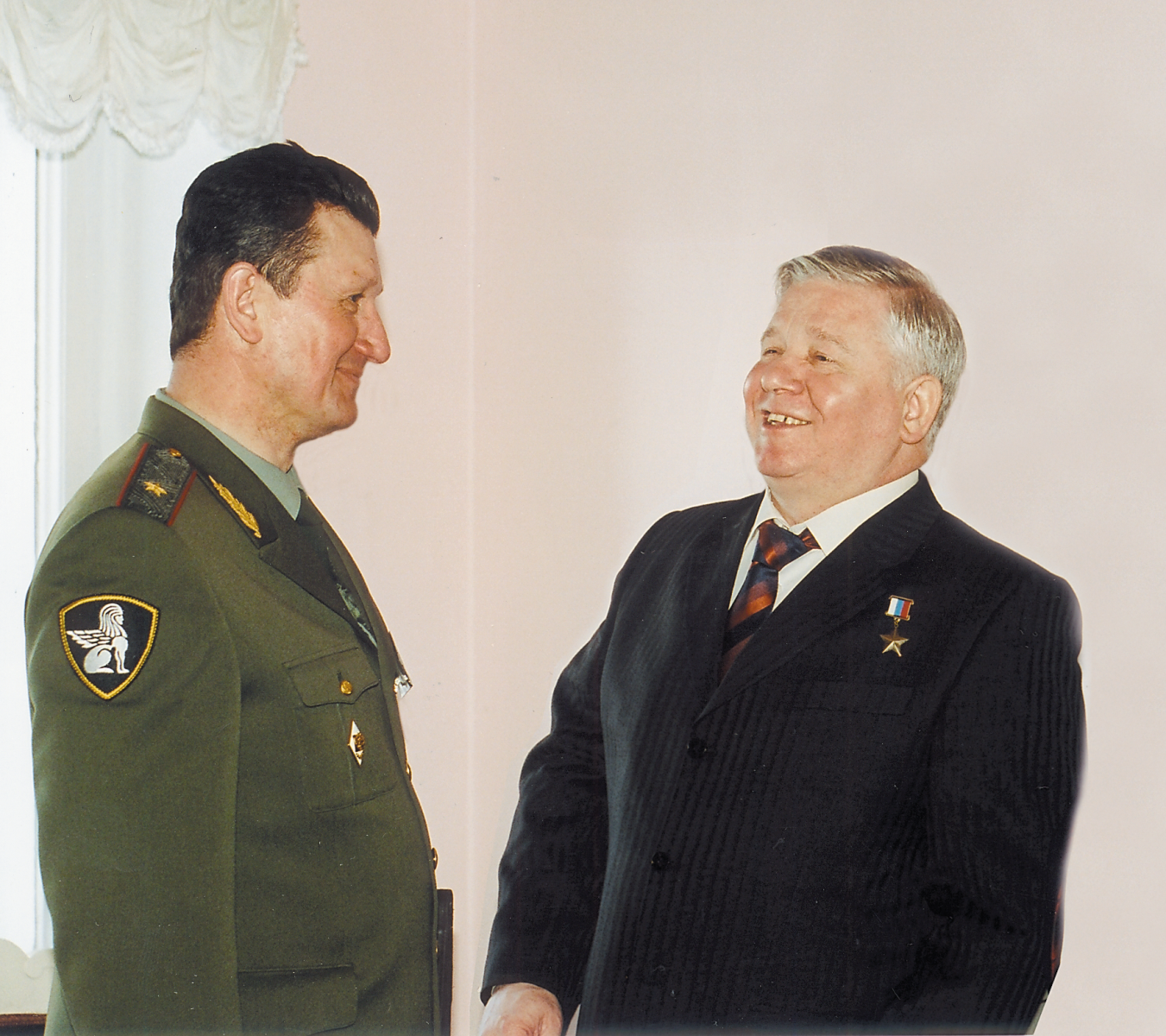
Deputy Director of the Federal Atomic Energy Agency S.V. Antipov devoted his report to serious problems associated with ensuring safety when handling decommissioned facilities of the Russian nuclear fleet. These problems are being solved today both at the expense of the Russian budget and with the help of neighboring countries.
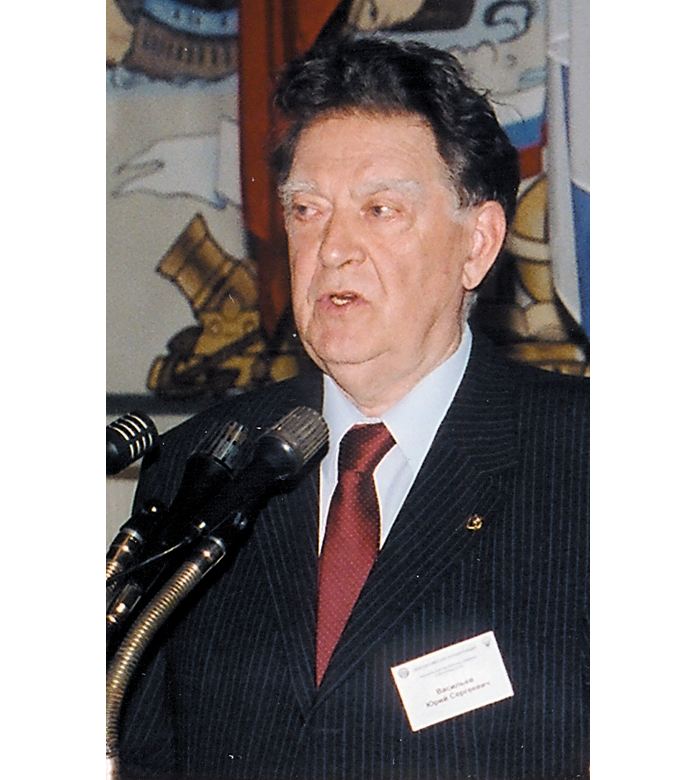
Interesting facts about the work created by the decision of the Chief of the General Staff of the High Technology Laboratory were cited in his report by the Deputy Chairman of the Expert Council on Navy and Shipbuilding Problems of the Higher Attestation Commission of the Russian Federation, Doctor of Technical Sciences, Professor V.N. Polovinkin. A special feature of the laboratory’s developments is that high technologies are based on natural materials. Work was carried out in several areas related to increasing the safety of personnel and improving personal protective equipment.
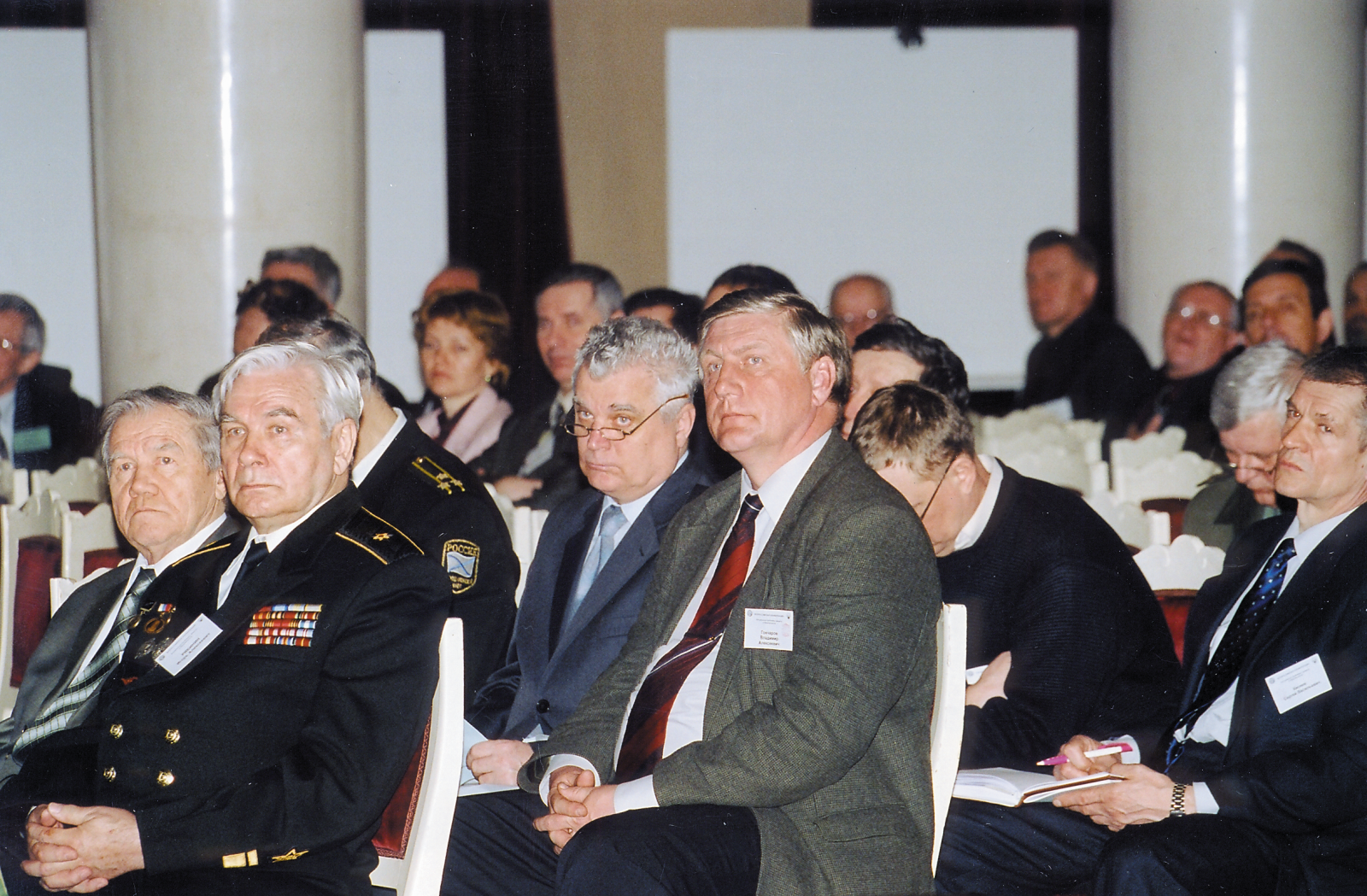
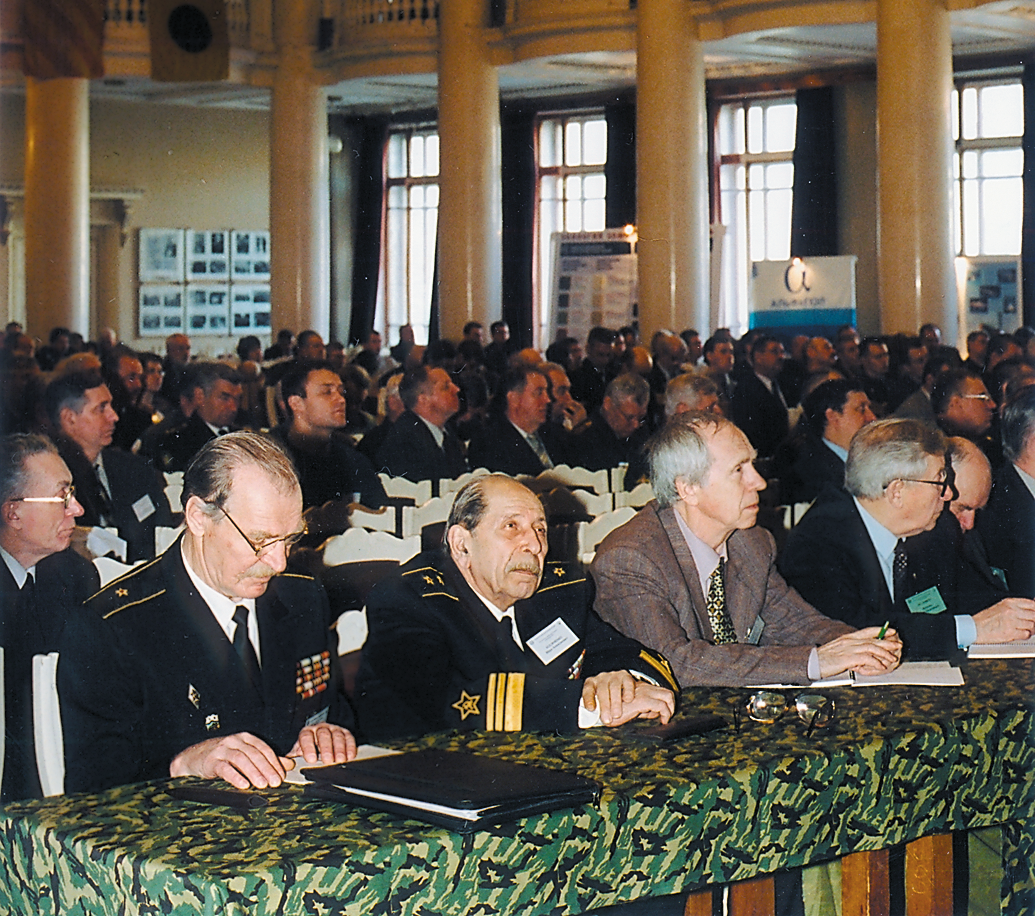
The conference program included more than three hundred reports and messages. There was a lively exchange of views on concepts for the development of weapons systems and military equipment, and issues of increasing the protection of military equipment and personnel were discussed. Much attention was paid to the improvement of materials used in protection and safety systems, and to medical and biological problems. A truly comprehensive approach to security issues at all levels was demonstrated, and many problems were presented to such a representative community of scientists and practitioners for the first time.
The next direction in the protection of personnel is due to the fact that one of the main signs of the action of weapons that will find use in the near future will be powerful laser radiation. Scientists have already developed appropriate protection. This is a film that, with a thickness of 200 microns, reduces laser irradiation by 100 times or more.