XXVI Conference of the Association of Private and Corporate Law Firms
MILITARY SCIENCE AT THE SERVICE OF THE SPECIAL MILITARY OPERATION
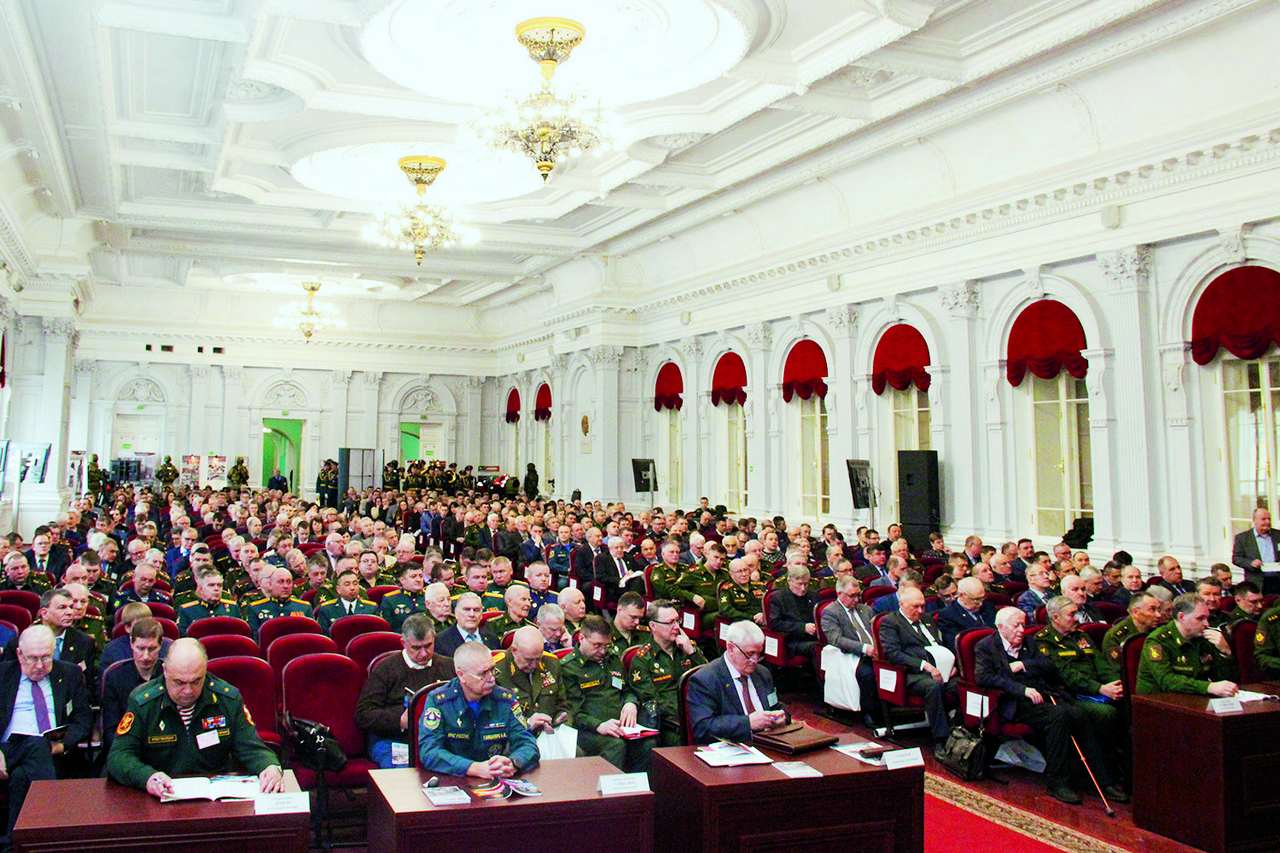
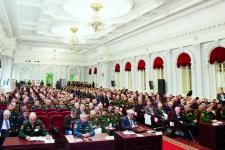
The main topic of discussion and a measure of the demand for scientific developments presented at the All-Russian Scientific and Practical Conference “Current Problems of Defense and Security” held in April was the conduct of a special military operation in Ukraine. The scientists, military men, and industrialists gathered in the White Hall of the Mikhailovsky Military Artillery Academy are familiar with the peculiarities of the military artillery system first-hand: many have been in the combat zone and, based on their lived experience, are trying to creatively rethink approaches to further improving weapons and military equipment, as well as the tactics of their use. If we turn to history, then from the same angle: what do the events of the past have in common with today and what lessons can be learned from them. Military people, like no one else, understand the words of the Supreme CommanderThe Commander-in-Chief said at the celebration of Victory Day about the true warmongers - the
In light of the above, the absolute leadership of the Missile Forces and Artillery in achieving the set goals on the front line and in the area of engagement was initially unpredictable. The decisive factor on the Ukrainian battlefields was the weight of the artillery barrage — the greater it is, the more effective the defense and the offensive.
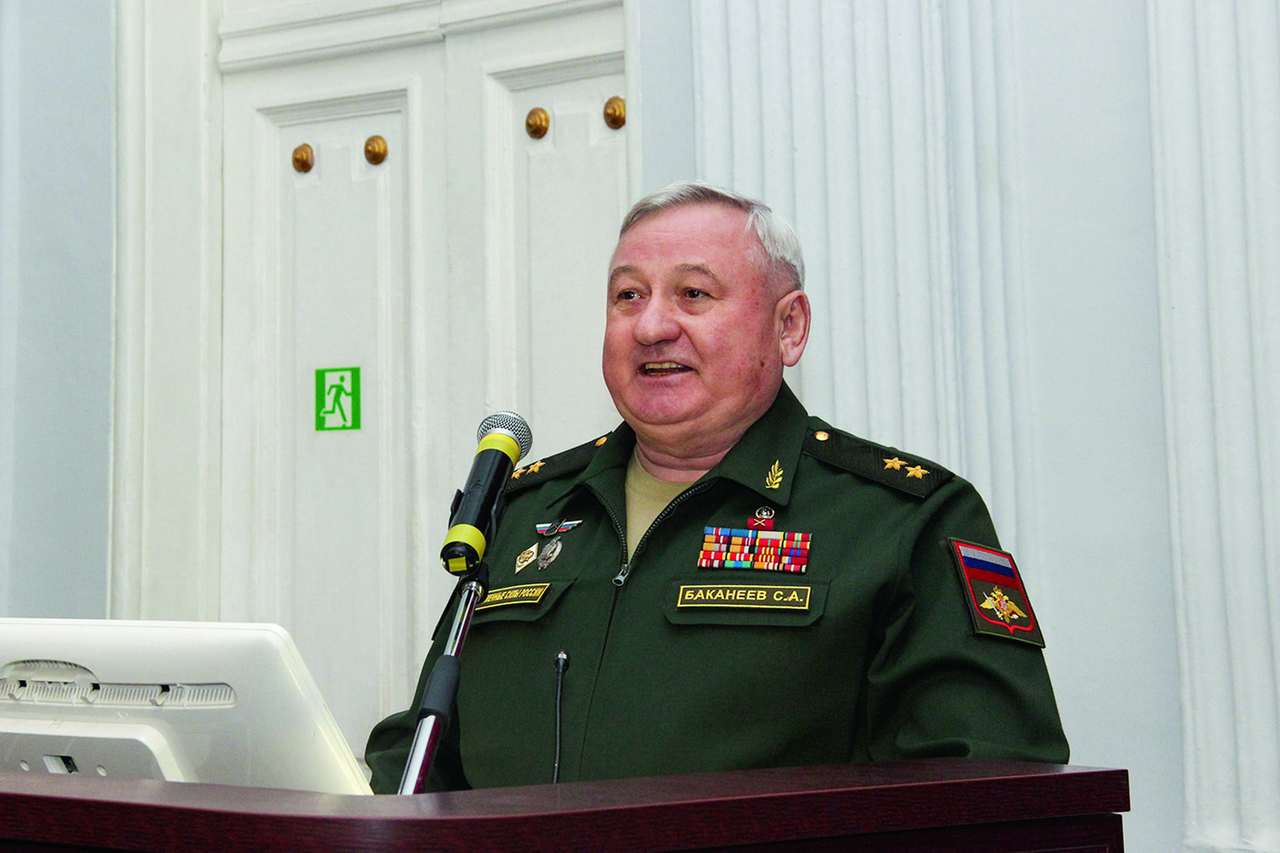
Meanwhile, as Lieutenant General S.A. Bakaneev, Head of the Mikhailovsky Military Artillery Academy and Corresponding Member of the Russian Academy of Rocket and Artillery Sciences, emphasized in his report, 85–90% of the enemy's firepower at the tactical level is delivered by artillery. At the same time, the task is complicated by the presence in the target area of socially significant energy facilities, hydraulic structures, etc., the destruction of which could, on the one hand, cause an environmental disaster, and, on the other hand,transforming artillery into a reconnaissance and fire support system within a unified information space, and elevating the robotization and automation of missile and artillery systems to a new level. At the same time, the Mikhailovskaya Academy found itself in a difficult situation. After numerous post-Soviet reforms, it remained the only (!) center for training specialists in the country (of the many Soviet artillery schools, more than half were located
Guided high-precision munitions ("Krasnopol-M2"), the 1D26 laser pointer-rangefinder, and the "Planshet-A" automated fire control system, which integrates all artillery units into a single reconnaissance and strike complex with high responsiveness and firing accuracy. Proficiency in new technologies is honed during field exercises with live-fire drills, ensuring that graduates can meet the primary criterion of professionalism in any conflict.
For the entire system to function effectively, not only now but also in the future, a thorough systemic analysis of the problems revealed by the Special Military Operation (SMO) and a comprehensive program to address them are required. The questions raised by politicians, publicists, and representatives of the public must finally be answered by science. These questions were raised in the speech by the Deputy Chairman of the State Duma Committee on the Development of Civil Society.
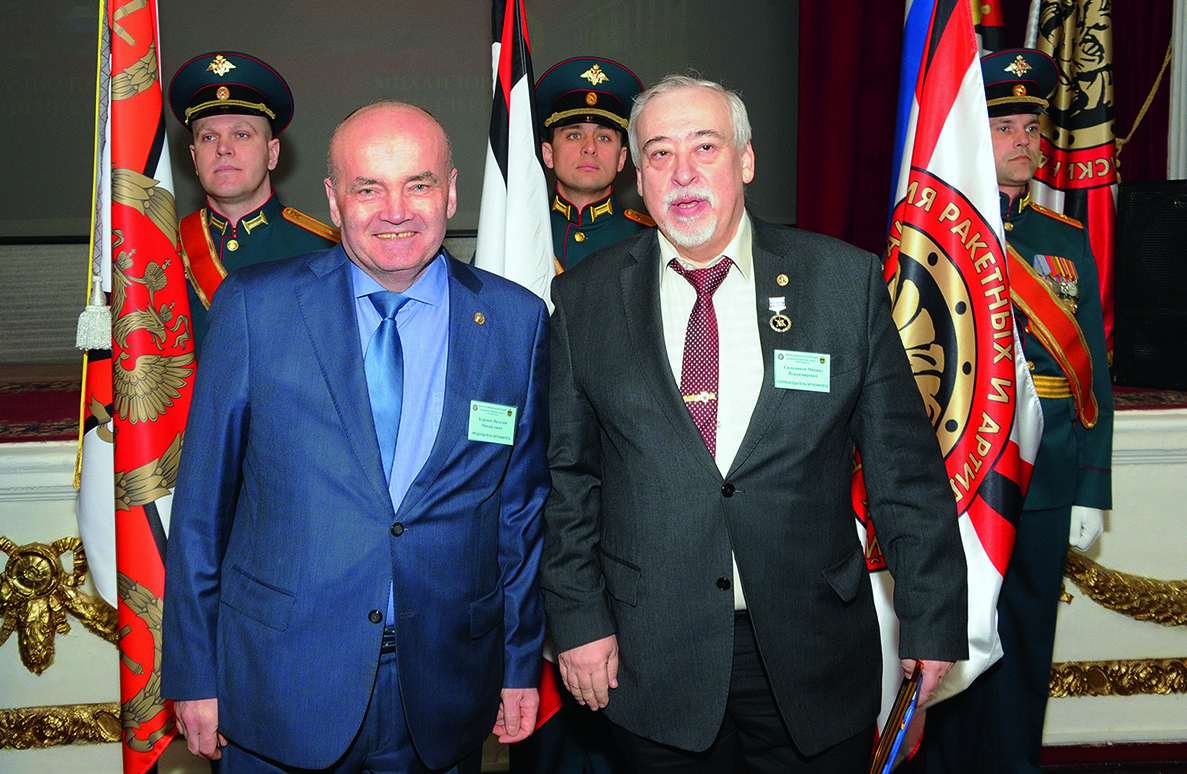
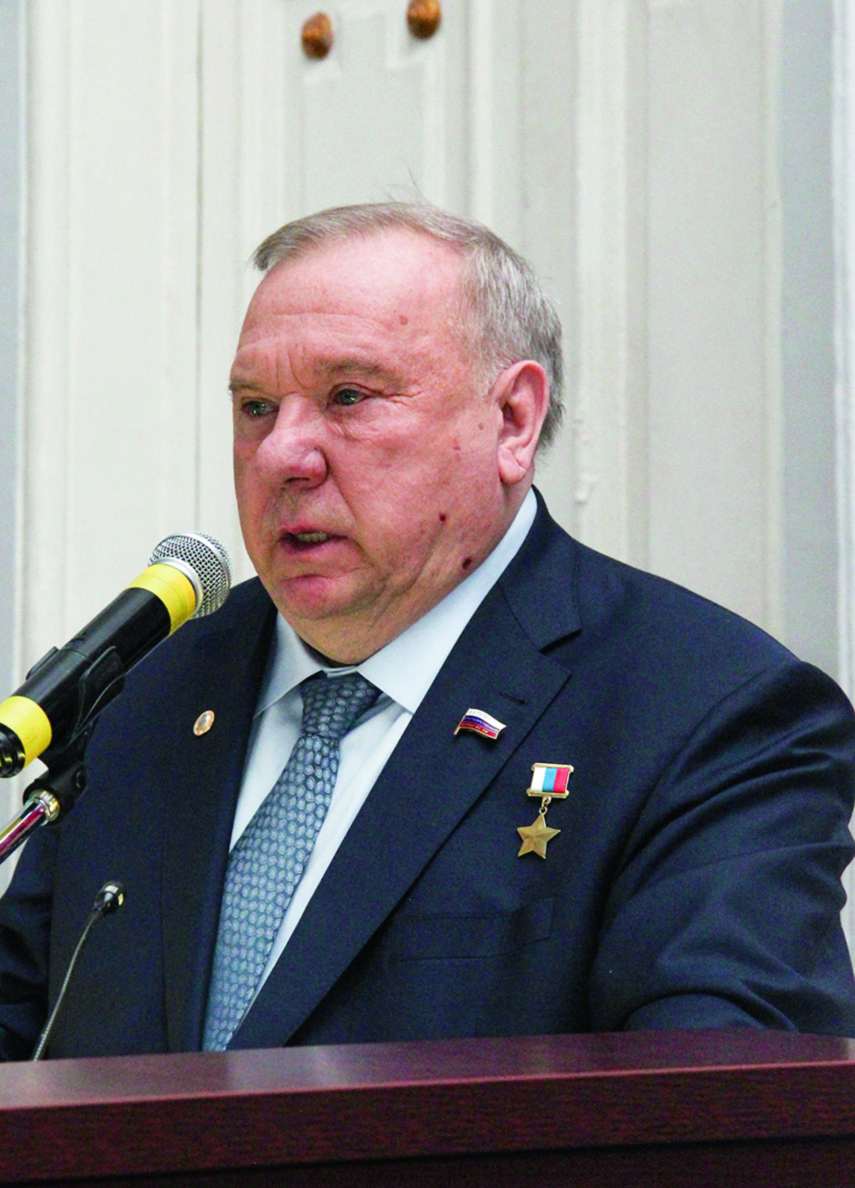
Opening of the conference. Academicians of the Russian Academy of Military Sciences V.M. Burenok and M.V. Silnikov 13 divisions, including tank, artillery, and combined-arms divisions? What are the distinctive features of modern wars, and are we still preparing for wars of the past? Why didn't the "polite people" scenario work this time? How did it happen that, guided by the seemingly fashionable principles of multi-domain warfare, troops are experiencing difficulties in conducting military operations over vast areas? There are many questions to be addressed.
The success of a military operation depends on properly organized logistical support. No branch of the military can resist for long if the supply lines to units at the front are disrupted. The conflict in Ukraine is rightly called a war of rear support — between Russia and the united West. Establishing logistics in a network-centric war, where ammunition often arrives at the front directly from transport vehicles, is a specialized science. Military Academy of Material and Technical SupportThey were made to order by defense industry enterprises. The quality of the prototypes being developed is evidenced by at least the following facts: at the "Army-2022" exhibition, after inspecting the life-support equipment on display, Chief of the General Staff of the Armed Forces Valery Gerasimov found them to be superior to NATO's, and nine new pieces of specialized equipment from the Khrulyov Military Transport Academy Khrulev Military Transport Academy were awarded the Russian Government Prize in
Not only new weapons and equipment, but also ammunition are being tested in Ukraine. In modern combat operations, the most important task is to determine, depending on the enemy's defense system, the required type of ammunition, its power, and the precision of the strike to destroy or incapacitate the enemy's personnel and defense assets. Theoretically, it is impossible to draw such conclusions — after conducting tests on animals, expert assessments are needed.
were conducted at the State Research Institute of Test Military Medicine of the Russian Ministry of Defense (the only organization in the country authorized to conduct such studies), and volunteers were recruited from active military units. Experimental sites were set up at the test range to simulate military fortifications (both Russian and NATO) as well as elements of military equipment. To determine the effectiveness of the munitions, the subjects were tested directly at the test site.Suppression of sensory and logical functions, etc. Most of the effects correlated with formal laws derived from the analysis of the obtained data, which in the future will allow the use of munitions to suppress enemy personnel with a guaranteed infliction of damage of at least moderate severity.
While military organizations conduct such research with the aim of incapacitating the enemy, those who manufacture personal protective equipment have precisely the opposite goal — not destruction, but ensuring the safety of their soldiers. Polymer plates for body armor have been used for a long time. They have proven their durability and protective properties. Reinforced inserts are capable of withstanding not only the impact of firearms but also blast waves. Characteristicssuch as Kevlar, cermet, and others.
The flow from the West has already been cut off, and Eastern suppliers are sometimes hesitant to enter into deals for fear of sanctions. The opening of the first domestic industrial line for the production of ultra-high molecular weight and ultra-high modulus polymers (UHMWP) in St. Petersburg is all the more significant in terms of pursuing the import substitution strategy. Their role was explained in a presentation by N.M. Silnikov, Director of the Special Materials Plant and Corresponding Member of the Russian Academy of Natural Sciences. UHMWPE fiber
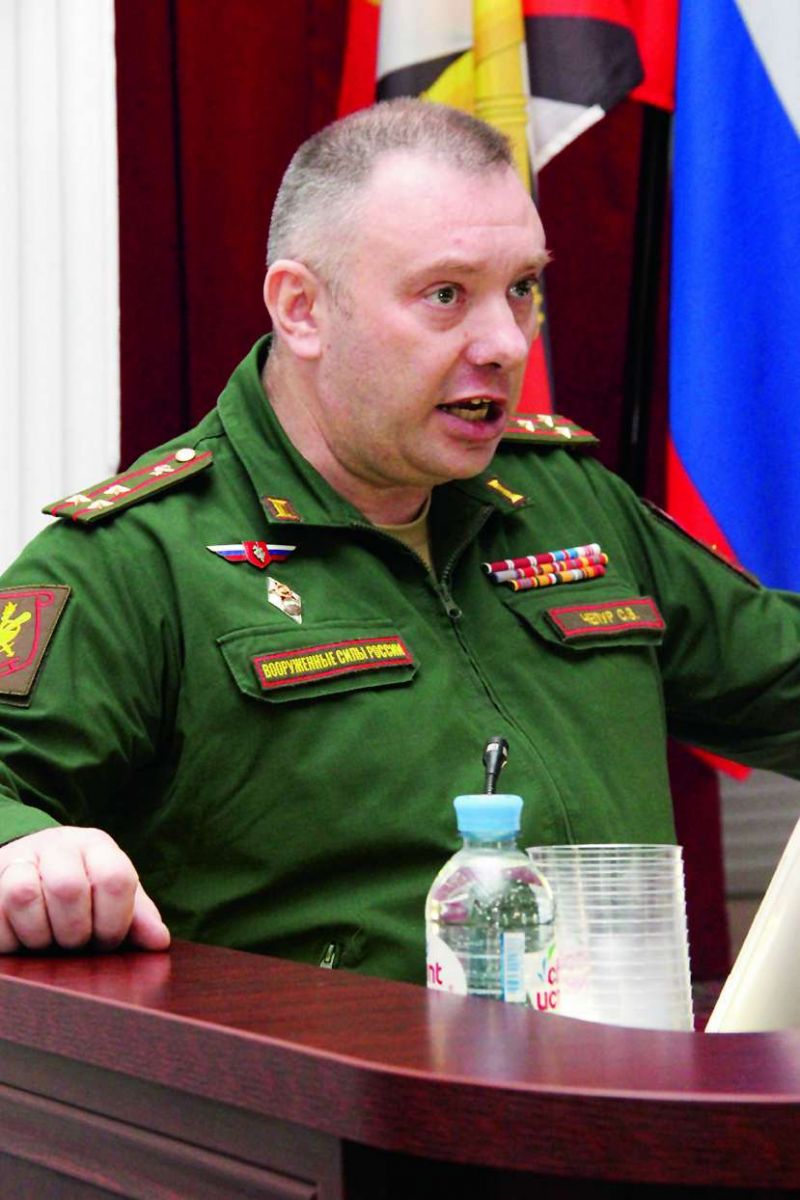
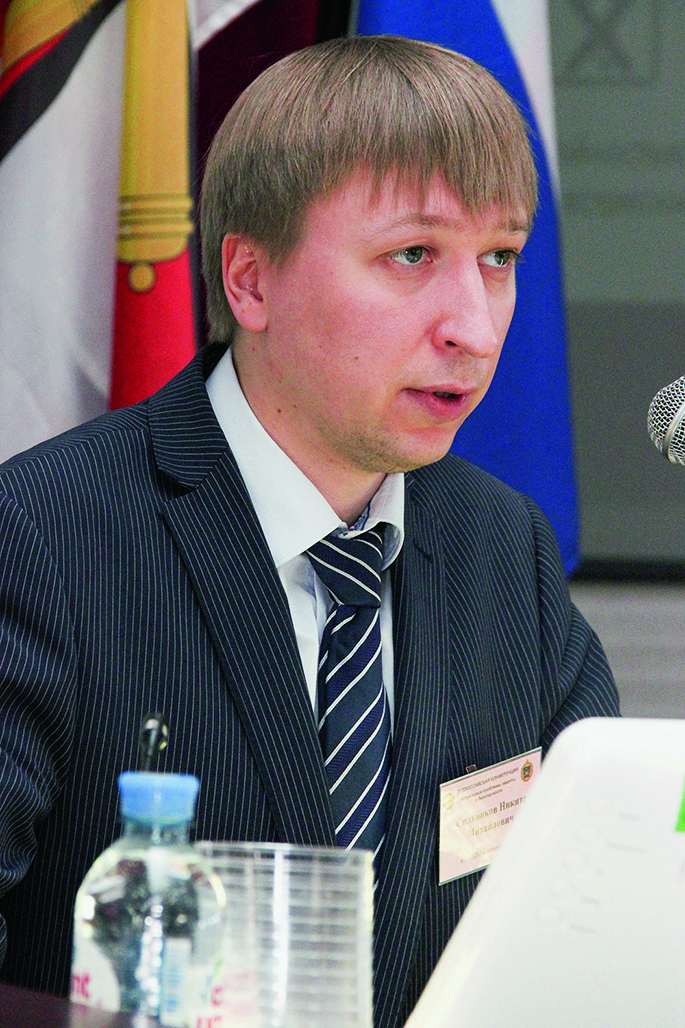
The Vice President of the Russian Academy of Missile and Artillery Sciences (RAMAS), Chairman of the Higher Attestation Commission's Expert Council on Military Science and Technology, Academician of RAMAS, Lieutenant General A.A. Rakhmanov, dedicated his presentation to the leading role of science in determining the development priorities of military affairs and the defense industry. The main point of his report was that, given the vast number of accumulated contradictions, only scientifically substantiated conclusions can serve as the basis for the sustainable and progressive development of the system.
The path of emergency response to immediate challenges will inevitably lead to failures. We should start by establishing a system of baseline data: who we will be fighting against, what possible scenarios of confrontation and attack options exist, and analyzing the capabilities of foreign weaponry. Next, any local conflict requires long and thorough preparation. In the military, they train for mobility and maneuverability, practice new methods of conducting combat operations. PerfectionEverything had to be readjusted on the fly. For example, for quite some time, they used expensive, high-precision weapons to engage light targets, and it was only towards the end of the first year of the conflict that they shifted to the widespread use of attack drones. Also, due to poorly thought-out logistics methods, they suffered losses on supply routes for a long time. They faced challenges in improving the effectiveness of engaging mobile and camouflaged targets. Because the enemy had a large numbe
But there are also more global problems that cannot be solved overnight. Technically competing, in essence, with a coalition of 50 countries, we have fallen seriously behind in communication systems and the secure platforms that support them. An even greater gap is evident in the field of space systems. Thanks to the satellite constellation operating for NATO, the U.S. command in Ukraine receives real-time visualization of all positions on the battlefield and can respond instantly.Satellite internet will inevitably and critically reduce the effectiveness of Ukrainian military operations.
But there are also more global problems that cannot be solved overnight. Competing technically, in fact, with a coalition of 50 countries, we are seriously behind in terms of communication systems and secure platforms for them. An even greater gap is observed in the field of space systems. Thanks to a satellite constellation working for NATO, the American command in Ukraine receives visualization of all positions on the battlefield in real time and can instantly respond to changing situations by issuing commands online. Due to the lag in the space sector, our ability to respond effectively is reduced; we have to use different communication channels. And if it is extremely difficult to increase our satellite constellation overnight (although steps are being taken in this direction, the shortage of electronics is having an impact,component base), then you can look for alternative countermeasures. For example, the suppression of satellite Internet will inevitably critically reduce the eff
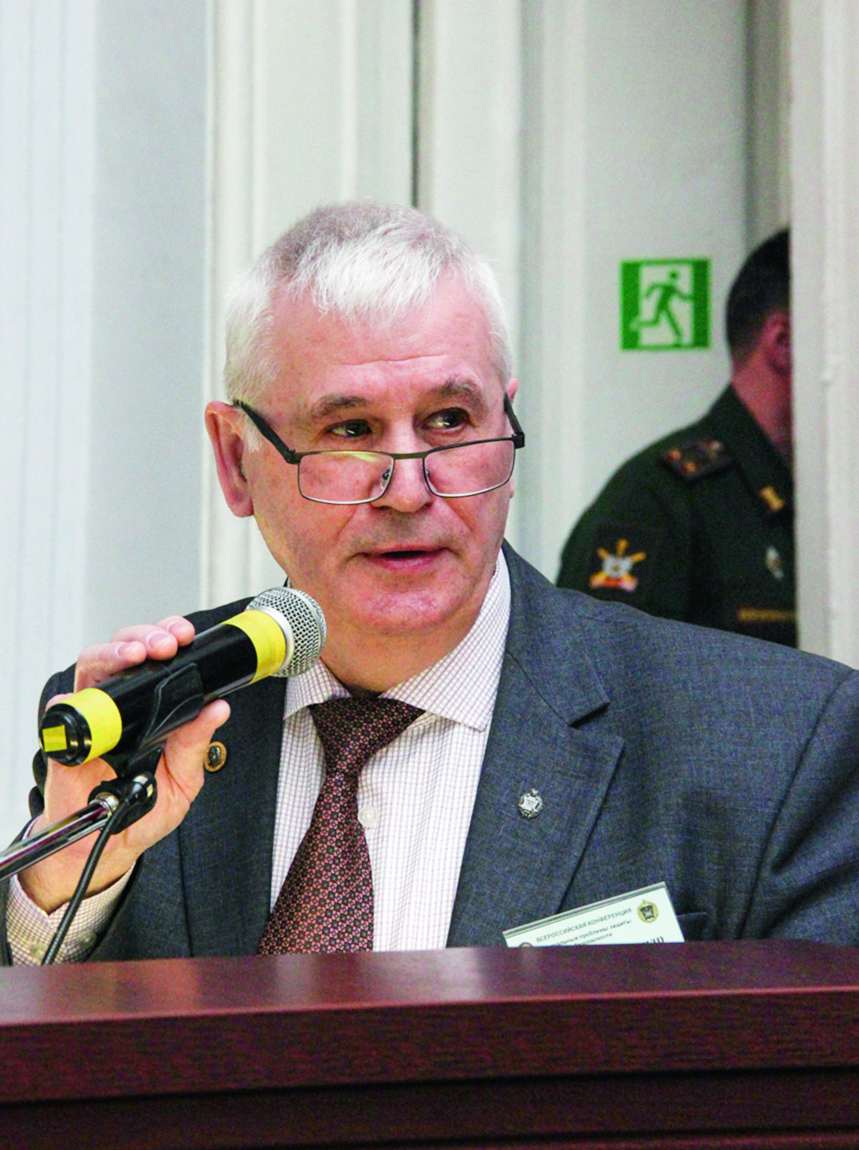
The report by Major General S.N. Smolinsky, head of the Scientific and Technical Committee (STC) for Weapons Development, sounded much more optimistic. He read out a greeting from Deputy Minister of Defense A.Yu. Krivoruchko, which noted that time has proven the correctness of the conference's conclusions — many of them have already been implemented. Despite the existing challenges, the pace of weapons development is accelerating. In 2022, more than 1,000 procurements were made for serial production.military command organizations, research centers, and industrial enterprises. Of course, on the path to balancing this system, a number of shortcomings need to be addressed — these were identified by the STC's analysis of the development of the Russian Armed Forces' armaments from 2012 to 2022. Issues such as the insufficient readiness of the scientific and technical base and missed deadlines, coupled with rising costs of state contracts, require immediate attention.
To transition from R&D to R&D, it is necessary to assess the readiness of the technological capabilities of the organizations of developers and executors.
But, generally speaking, the process of finalizing decisions on the phased development of the weapons system is now nearing completion. The leading role in this process is assigned to the supply agencies of military command and their principal institutions. Chief designers and heads of priority areas conduct expert assessments of the scientific and technical groundwork, using hardware and software tools with artificial intelligence to make decisions. In the document approved by the Chief of the General Staff
But what is the point in all these efforts if banks continually strive to declare defense industry enterprises bankrupt, despite the high demand for their products from the state?! As the scientific director of the Krylov State Scientific Center, corresponding member of RARAN V.N. commented on the situation. Polovinkin: “A year after the beginning of the Northern Military District, when the front increasingly needs a strong rear, it turned out that defense enterprises, many of which have unique competencies, are going bankrupt across the country en masse. It seems that our unique Russian industry, by someone’s elusive will, has been sabotaging government tasks for decades. This is what happened with civil aviation in the 90s, when Boeing gave everything to the Americans and simply destroyed their own planes. It was the same withthe failure of import substitution in the machine tool industry and microelectronics, which is why there is now a shortage of microchips in Russia, and critical
How could it even happen that, having large portfolios of orders, defense industry enterprises do not bring decent profits, and are often unprofitable? Professor V.E. posed such questions to the audience. Chabanov (PTK NENO LAD). This is partly explained by the fact that the state, when distributing state defense orders, has the ability to dictate prices to enterprises on the verge of self-sufficiency. On the other hand, not having enough working capital to pay for goods/services from suppliers and subcontractors, enterprises are forced to take out loans at interest rates that exceed profitability, and ultimately remain in debt. According to experts, today more than half of the gross profit of defense industry enterprises is given to banks in the form of interest payments and loan compensation. Of course, about any development in this state of affairs andThere’s no question - it wouldn’t go down the drain. Meanwhile, the funds in the defense industry are flowing fabulously: in 2022, Ru
As already mentioned, the topics of most speeches in one way or another correlated with the conflict in Ukraine, since every day there is not just a question of victory or defeat, but in general the future existence of Russia. But if you change the scale of the map and look at the Russian border line, it will become obvious that we are surrounded along the entire perimeter. NATO ships and planes already feel at ease in the Black Sea. After Finland joins NATO, navigation in the Baltic Sea may become more difficult and a direct threat to Kaliningrad may arise. In the Far East, in addition to unresolved territorial disputes with Japan, the likelihood of Russia being drawn into the brewing conflict between China and NATO over Taiwan is growing. By land in the south, Transcaucasia and Kazakhstan may become new “hot spots”. But the paradox isthat the West intends to drag us into a new confrontation in order to force us to disperse and exhaust our forces, and its true immediate appetites lie
In general, maritime topics were discussed in more detail at the symposium “The Navy of the Russian Federation: Present and Future” that took place during the conference. Another seven symposiums focused on military-technical prospects for breakthrough scientific research; promising directions for the development of weapons and military special equipment; improving the theory and practice of combat use of strategic warfare; armored weapons and equipment; development of logistical, financial and economic support for troops; technical means of preventing emergency situations and countering terrorism; comprehensive transport security. As always, the scientists' findings will be presented to the Ministry of Defense and other government authorities.
Confronting the combined forces of opponents in a hybrid war requires the skills of a good chess player who can calculate all options for the development of the game in advance. Only in the context of an increasingly intense SVO, a dynamically changing international situation and tougher sanctions, this competition is increasingly turning into a blitz tournament. There is no time to even take a breath.